Procuring safety equipment is not merely a transactional decision; it represents a critical investment in operational continuity, employee well-being, and regulatory compliance. For businesses and individuals operating in environments with inherent risks, understanding the precise purpose, appropriate applications, technical specifications, and strategic purchasing considerations for safety gear is fundamental. This guide aims to equip decision-makers with the focused insights needed to select and implement protective measures effectively, moving beyond basic requirements to foster a robust safety culture and mitigate potential liabilities.
Core Mandate: Why Safety Equipment Matters Beyond Compliance
The primary purpose of safety equipment extends beyond simply meeting legal mandates or avoiding penalties. Its fundamental role is to create a barrier between potential hazards and personnel, preventing injury, illness, and fatalities. This proactive defense mechanism safeguards human capital, which is irreplaceable, and simultaneously protects physical assets, maintains productivity, and preserves an organization's reputation. Effective safety equipment minimizes the financial impact of accidents, including medical costs, lost workdays, insurance premium hikes, and potential litigation. Furthermore, a visible commitment to safety through appropriate equipment fosters trust among employees and stakeholders, contributing to a more engaged and stable workforce.
Categorizing Protection: Understanding Equipment Types and Their Applications
Safety equipment is broadly categorized by its function and the type of protection it offers. Each category addresses specific hazard profiles, requiring careful selection based on a thorough risk assessment of the operational environment.
Personal Protective Equipment (PPE)
PPE is designed to be worn by individuals to protect against specific hazards. Selection depends on the exact nature of the work and potential exposures.
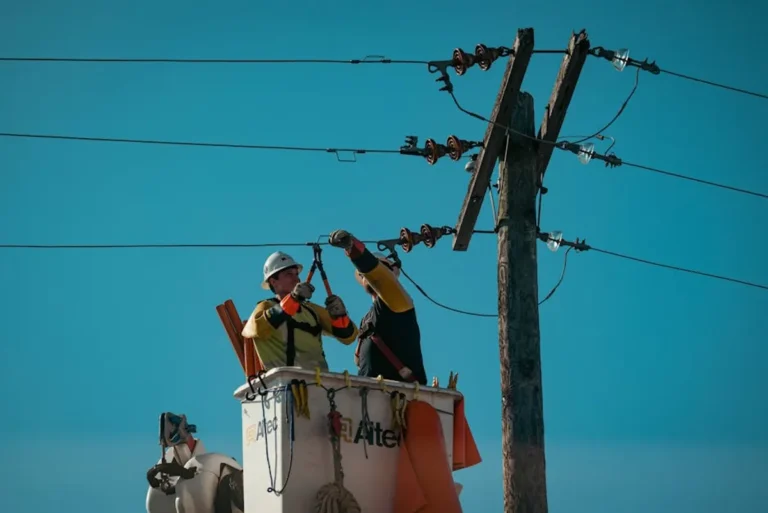
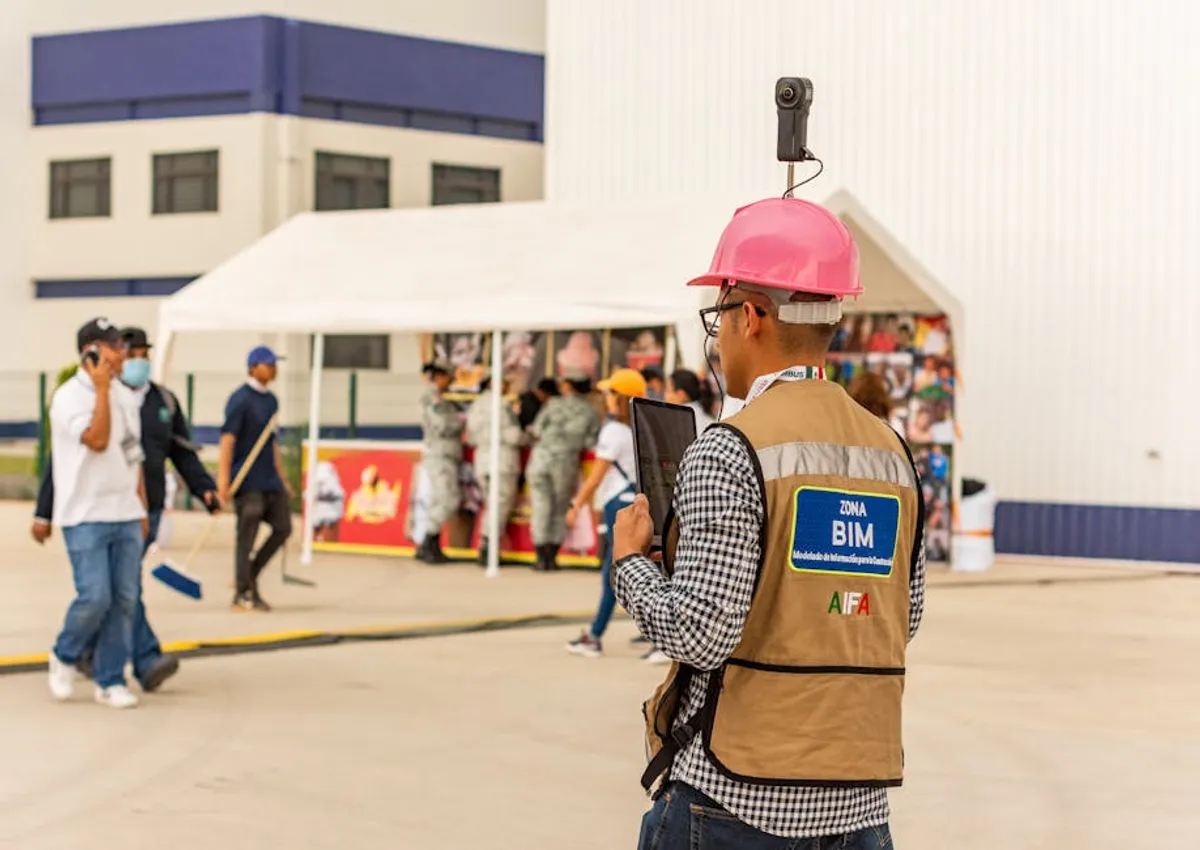
- Head Protection: Hard hats (e.g., ANSI Z89.1 compliant) protect against falling objects, impacts, and electrical hazards in construction, manufacturing, and utilities.
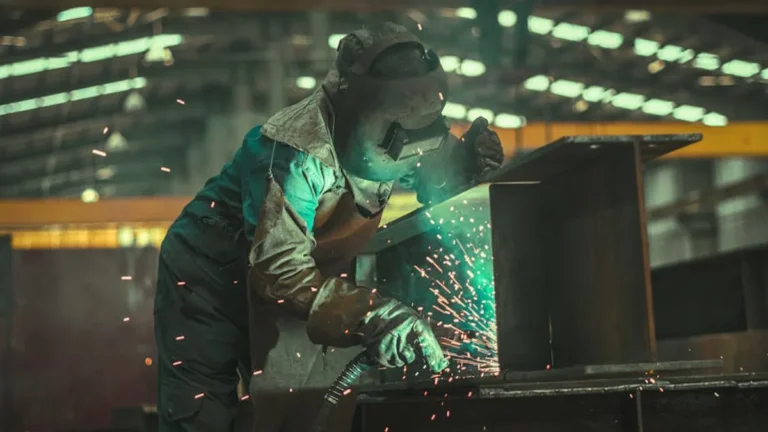
- Eye and Face Protection: Safety glasses, goggles, and face shields (e.g., ANSI Z87.1 compliant) guard against chemical splashes, flying debris, intense light, and radiant energy in welding, laboratory, and grinding operations.
- Hearing Protection: Earplugs and earmuffs (e.g., rated with Noise Reduction Ratings – NRR) reduce exposure to excessive noise levels in industrial settings, airports, and construction sites, preventing noise-induced hearing loss.
- Respiratory Protection: Respirators (e.g., N95, half-mask, full-face, supplied-air) filter airborne particulates, gases, and vapors in environments with poor air quality, chemical exposure, or biological agents.
- Hand Protection: Gloves (e.g., cut-resistant, chemical-resistant, heat-resistant) shield hands from cuts, abrasions, chemical burns, extreme temperatures, and electrical shocks in various manual tasks.
- Foot Protection: Safety footwear (e.g., steel-toe boots, metatarsal guards, puncture-resistant soles) protects against falling objects, compression, punctures, and electrical hazards in heavy industry and construction.
- Fall Protection: Harnesses, lanyards, and anchor points (e.g., OSHA 1926.502 compliant) prevent falls from heights in roofing, scaffolding, and elevated work platforms.
Area and Environmental Safety Gear
This equipment secures the workspace itself, managing risks that affect multiple individuals or the broader environment.
- Barricades and Signage: Delineate hazardous areas, provide warnings, and direct traffic flow on construction sites, roadworks, and event venues.
- Spill Containment: Berms, absorbent pads, and kits manage and clean up hazardous liquid spills, preventing environmental contamination and slip hazards.
- Ventilation Systems: Extract fumes, dust, and airborne contaminants from enclosed spaces, maintaining breathable air quality in workshops and laboratories.
Emergency and Rescue Apparatus
Designed for rapid response during unforeseen incidents, these tools are crucial for mitigating damage and saving lives.
- Fire Extinguishers: Categorized by fire type (e.g., Class A, B, C, D, K) for suppressing small fires, preventing escalation in offices, kitchens, and industrial facilities.
- First Aid Kits: Stocked with supplies for treating minor injuries, cuts, and burns, providing immediate care before professional medical help arrives.
- Emergency Showers and Eyewash Stations: Provide immediate decontamination for chemical exposures to skin and eyes, minimizing injury severity.
Deciphering Specifications: What to Look for in Safety Gear
Selecting appropriate safety equipment requires a detailed understanding of its technical specifications and adherence to relevant standards. These factors directly influence effectiveness, durability, and user acceptance.
Certifications and Regulatory Adherence
Verify that equipment bears certifications from recognized bodies. For example, in the United States, look for ANSI (American National Standards Institute) compliance for PPE, OSHA (Occupational Safety and Health Administration) standards for workplace safety, and NFPA (National Fire Protection Association) standards for fire safety. These certifications indicate that the product has undergone rigorous testing and meets established performance benchmarks for protection against specific hazards. Ignoring these can lead to inadequate protection and legal liabilities.
Material Science and Durability Factors
The materials used dictate the equipment's protective capabilities and lifespan. For instance, high-density polyethylene (HDPE) in hard hats offers impact resistance, while specific polymer blends provide chemical resistance in gloves. Durability is measured by factors like abrasion resistance, tear strength, UV stability, and resistance to environmental degradation. Evaluate material specifications against the expected wear and tear, chemical exposures, and environmental conditions of the operating environment to ensure the equipment maintains its integrity over time.
Ergonomics, Fit, and User Acceptance
Even the most technically advanced safety equipment is ineffective if it is uncomfortable or impedes work. Ergonomic design, adjustable features, and a range of sizes are critical for ensuring a proper fit and user acceptance. Equipment that fits poorly can be bypassed, worn incorrectly, or cause additional hazards like snagging or restricted movement. Prioritize equipment that allows for maximum mobility, breathability, and minimal interference with tasks, as this directly correlates with consistent usage and overall safety compliance.
Pro Tip: When evaluating safety equipment, always request product data sheets and independent test reports. These documents provide objective evidence of compliance with stated specifications and performance standards, allowing for a fact-based comparison between options. Do not rely solely on marketing claims; scrutinize the underlying technical data.
Strategic Acquisition: Essential Buying Considerations
Purchasing safety equipment involves more than just selecting items; it requires a strategic approach to ensure optimal protection and cost-effectiveness.
Conducting a Comprehensive Needs Assessment
Before any purchase, perform a detailed hazard assessment for each task and work area. Identify all potential risks (e.g., chemical, mechanical, thermal, electrical, biological, ergonomic) and the specific body parts or environmental factors requiring protection. This assessment should involve input from safety officers, supervisors, and the workers themselves, as they have direct experience with the operational risks. The output of this assessment will dictate the precise type, level, and quantity of equipment required, preventing both under-protection and unnecessary expenditure on unsuitable gear.
Evaluating Supplier Credibility and Support
Select suppliers with a proven track record of providing certified, high-quality safety equipment. Assess their ability to offer technical support, product training, and consistent inventory. Reliable suppliers often provide guidance on regulatory compliance, product selection, and proper usage. Consider their return policies, warranty coverage, and responsiveness to inquiries. A strong supplier relationship ensures access to genuine products and ongoing support, which is invaluable for long-term safety program management.
Lifecycle Costing and Investment Justification
Beyond the initial purchase price, consider the total lifecycle cost of safety equipment. This includes maintenance, replacement parts, cleaning, storage, and disposal. Durable equipment with a higher upfront cost may prove more economical over time due to longer service life and reduced replacement frequency. Justify investments by quantifying the potential costs of accidents averted—medical expenses, lost productivity, regulatory fines, and reputational damage. Presenting safety equipment as a preventative investment with a clear return on investment (ROI) strengthens the case for adequate budgeting.
Securing Operations: A Proactive Approach
The effective deployment of safety equipment is a continuous process, not a one-time event. It demands ongoing assessment, training, and adaptation to evolving risks and technologies. Prioritize equipment that not only meets current regulatory standards but also integrates seamlessly into daily operations, encouraging consistent and correct usage. A proactive stance on safety equipment procurement and management safeguards personnel, protects assets, and reinforces an organization’s commitment to operational excellence and ethical responsibility.
Frequently Asked Questions About Safety Equipment
What is the most critical factor in choosing safety equipment?
The most critical factor is conducting a thorough hazard assessment to identify specific risks in the workplace. This assessment dictates the type and level of protection required, ensuring the chosen equipment directly addresses the identified dangers rather than providing generic or insufficient protection.
How often should safety equipment be inspected or replaced?
Inspection and replacement schedules vary significantly by equipment type, manufacturer guidelines, and usage intensity. General PPE like hard hats might need annual inspection and replacement every 2-5 years, while fall protection harnesses require inspection before each use and often have a service life of 5-10 years. Always consult manufacturer instructions and relevant regulatory standards for precise guidance.
Can employees refuse to use safety equipment they find uncomfortable?
Generally, no. Employers are obligated to provide appropriate safety equipment, and employees are typically required to use it correctly. However, if equipment causes discomfort or impedes work, employees should report it. The employer's responsibility is then to investigate, potentially provide alternative options, or adjust the equipment to ensure both safety and reasonable comfort, without compromising protection.
Is training on safety equipment use really necessary?
Yes, comprehensive training is essential. Simply providing equipment is insufficient; users must understand its purpose, how to properly don, doff, adjust, inspect, and maintain it. Training ensures equipment is used as intended, maximizing its protective capabilities and preventing misuse that could lead to injury or equipment failure.