Selecting the correct mechanical personal protective equipment (PPE) is a critical decision for any organization prioritizing worker safety and operational continuity. Beyond regulatory compliance, the right PPE directly impacts productivity, reduces injury rates, and minimizes long-term costs associated with workplace accidents. This guide addresses the essential categories, technical specifications, and procurement considerations for mechanical PPE, equipping decision-makers with the information needed to make informed choices that safeguard personnel in environments where cuts, abrasions, impacts, and punctures are daily hazards.
Understanding Mechanical PPE Categories
Mechanical PPE encompasses a range of protective gear designed to shield workers from physical hazards. Each category addresses specific risks, requiring careful selection based on the task and environment.
Hand Protection
Gloves are the most common form of mechanical hand protection, varying significantly in material and construction to counter specific threats.
- Cut-Resistant Gloves: Manufactured from materials like Kevlar, Dyneema, or fiberglass-reinforced yarns, these gloves protect against lacerations from sharp objects such as sheet metal, glass, or blades. Cut resistance is rated according to standards like EN 388 or ANSI/ISEA 105.
- Impact-Resistant Gloves: Featuring thermoplastic rubber (TPR) or similar materials on the back of the hand and fingers, these gloves absorb and dissipate energy from blunt force impacts, common in oil and gas, construction, or heavy machinery operation.
- Anti-Vibration Gloves: Designed with specialized padding (e.g., gel or air bladders) in the palm and fingers, these reduce the transmission of vibration from power tools, mitigating the risk of Hand-Arm Vibration Syndrome (HAVS).
- Abrasion-Resistant Gloves: Often made from durable leathers, synthetic leathers, or coated fabrics, these gloves withstand friction and scraping, prolonging hand protection in tasks involving rough surfaces.
Body and Arm Protection
Protection for the torso and arms is crucial in environments with flying debris, sharp edges, or high heat.
- Cut-Resistant Sleeves and Aprons: Constructed from similar materials to cut-resistant gloves, sleeves protect forearms from lacerations during material handling or fabrication. Aprons offer torso and leg protection against cuts, abrasions, and sometimes sparks or heat.
- Heat and Flame-Resistant Clothing: While often considered thermal PPE, many mechanical tasks involve heat. Garments made from aramid fibers or treated cotton protect against radiant heat, molten splash, and flash fire.
Foot Protection
Safety footwear is engineered to protect feet from a combination of mechanical and environmental hazards.
- Safety Boots and Shoes: Feature reinforced toe caps (steel, composite, or aluminum) to guard against impact and compression. Puncture-resistant midsoles (steel or textile) prevent penetration from sharp objects underfoot. Metatarsal guards offer additional protection over the top of the foot.
- Slip-Resistant Soles: Crucial for preventing falls on wet, oily, or uneven surfaces, these soles are designed with specific tread patterns and rubber compounds.
Head Protection
Helmets and hard hats are fundamental for protecting the head from impacts and falling objects.
- Industrial Hard Hats: Typically made from high-density polyethylene (HDPE) or ABS plastic, these protect against falling objects, impacts, and electrical hazards. They are classified by type (Type I for top impact, Type II for top and lateral impact) and class (G for general, E for electrical, C for conductive).
- Bump Caps: Lighter than hard hats, bump caps offer protection against minor bumps and scrapes in areas where falling objects are not a significant risk, but head clearance is limited.
Eye and Face Protection
Mechanical tasks often generate projectiles, dust, or splashes that pose significant risks to eyes and face.
- Safety Glasses and Goggles: Designed with impact-resistant lenses (polycarbonate) and side shields to protect against flying particles. Goggles offer a tighter seal for dust and splash protection.
- Face Shields: Provide full-face protection against larger debris, splashes, and moderate heat. They are often worn in conjunction with safety glasses for enhanced eye protection.
Key Performance Specifications and Standards
Understanding the relevant certification standards is paramount for specifying mechanical PPE. These standards quantify protective capabilities, allowing direct comparison and ensuring compliance.
European Standards (EN)
- EN 388: Rates gloves for protection against mechanical risks. The pictogram is followed by four numbers and sometimes a letter, indicating performance against abrasion, circular blade cut, tear, puncture, and straight blade cut (TDM-100 test). An optional 'P' indicates impact protection.
- EN 407: Specifies thermal performance for gloves, relevant when mechanical tasks involve heat.
- EN 166: Details requirements for personal eye protection, including optical class, mechanical strength (impact resistance), and field of use.
American National Standards Institute (ANSI) / International Safety Equipment Association (ISEA)
- ANSI/ISEA 105: Classifies hand protection for cut resistance (A1-A9), abrasion, puncture, and impact. This standard provides a clear, consistent method for comparing gloves.
- ASTM F2413: Specifies minimum performance requirements for protective footwear, covering impact resistance (I), compression resistance (C), metatarsal protection (Mt), electrical hazard (EH), static dissipative (SD), and puncture resistance (PR).
Pro Tip: Always verify that PPE is certified to the latest version of relevant standards. Older certifications may not reflect current testing methodologies or hazard assessments, potentially leaving gaps in protection.
Selecting the Right Mechanical PPE
Effective PPE selection moves beyond basic compliance to a comprehensive assessment of workplace hazards and user needs.
Conducting a Thorough Risk Assessment
Before procurement, identify all potential mechanical hazards present in each task. This includes assessing the severity and likelihood of cuts, abrasions, punctures, impacts, vibration, and crushing injuries. Documenting these risks forms the basis for appropriate PPE selection.
Considering Application-Specific Needs
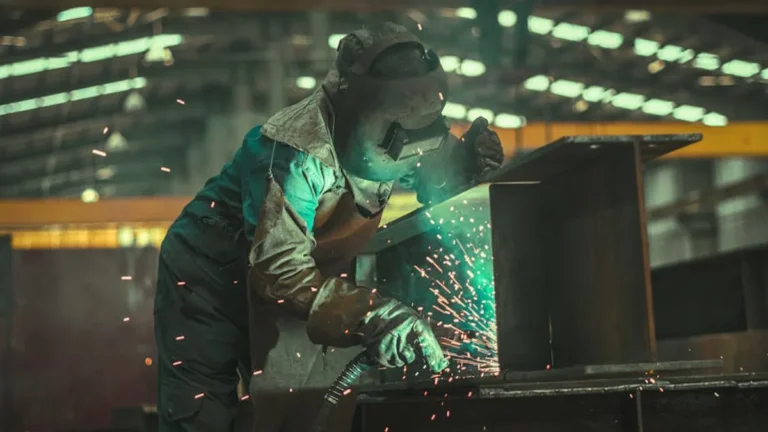
Different tasks demand different protective features. For example, a welder needs gloves with strong heat and cut resistance, while an assembly line worker might prioritize dexterity and moderate cut protection. Evaluate the specific tools, materials, and processes involved.
Prioritizing Fit, Comfort, and Dexterity
Poorly fitting or uncomfortable PPE is often removed or misused, nullifying its protective function. User acceptance is critical. Ensure PPE allows for necessary dexterity and range of motion without impeding task performance. Offering multiple sizes and styles can improve compliance.
Evaluating Durability and Maintenance
The lifespan of PPE directly impacts its total cost of ownership. Assess material quality, construction, and ease of cleaning or repair. PPE that can be effectively cleaned and maintained will last longer and provide consistent protection.
Buying Tips for Procurement Professionals
Strategic purchasing of mechanical PPE involves more than just finding the lowest price. It requires a focus on value, reliability, and long-term safety outcomes.
Vetting Suppliers and Manufacturers
Partner with reputable suppliers who can provide documentation of compliance with relevant standards, offer technical support, and maintain consistent stock levels. Inquire about their quality control processes and return policies.
Balancing Cost with Value and Performance
The cheapest PPE may not be the most economical in the long run if it fails prematurely, requires frequent replacement, or, critically, results in an injury. Consider the lifecycle cost, including durability, maintenance, and the potential costs of non-compliance or accidents.
Implementing User Trials and Feedback Mechanisms
Before a large-scale purchase, conduct trials with a small group of end-users. Gather feedback on comfort, fit, dexterity, and perceived protection. This practical input is invaluable for ensuring the selected PPE meets real-world demands and promotes user acceptance.
Ensuring Proper Training and Compliance
Procuring the best PPE is only half the battle. Provide comprehensive training on the correct use, limitations, inspection, storage, and maintenance of each item. Establish clear protocols for PPE use and enforce compliance to maximize its effectiveness.
Ensuring Workplace Safety with Mechanical PPE
Effective mechanical PPE programs are built on a foundation of rigorous hazard assessment, informed product selection, and consistent user engagement. By focusing on certified products that meet specific task requirements and prioritizing user comfort and training, organizations can significantly enhance their safety profile. Regular reviews of PPE effectiveness and adherence to evolving industry standards are essential for maintaining a robust and proactive safety culture.
Frequently Asked Questions
What is the difference between cut resistance ratings EN 388 and ANSI/ISEA 105?
Both standards measure cut resistance, but they use different testing methods and scales. EN 388 uses a Coup Test (circular blade) and a TDM-100 test (straight blade, required for higher cut levels), with results typically A to F for TDM-100. ANSI/ISEA 105 uses the TDM-100 test exclusively, with ratings from A1 (lowest) to A9 (highest), providing a more granular scale for high-performance materials.
How often should mechanical PPE be inspected?
The frequency of inspection depends on the type of PPE, its use intensity, and the manufacturer's recommendations. Generally, workers should conduct a visual inspection before each use. Supervisors or designated safety personnel should perform more thorough periodic inspections (e.g., weekly, monthly) to check for wear, damage, or degradation that might compromise protection.
Can mechanical PPE be shared among workers?
Sharing mechanical PPE is generally discouraged for hygiene reasons and to ensure proper fit. Items like gloves, safety glasses, or boots are personal. If sharing is unavoidable for certain items (e.g., specialized tools with integrated protection), thorough cleaning and disinfection protocols must be strictly followed between users, and fit must be re-evaluated for each individual.
What are the signs that mechanical PPE needs replacement?
Signs that mechanical PPE needs replacement include visible damage like tears, holes, cracks, fraying, or excessive wear. Reduced performance, such as a loss of grip on gloves or a compromised sole on safety footwear, also indicates the need for replacement. Always adhere to manufacturer-recommended lifespans, even if no visible damage is present, as material degradation may occur over time.