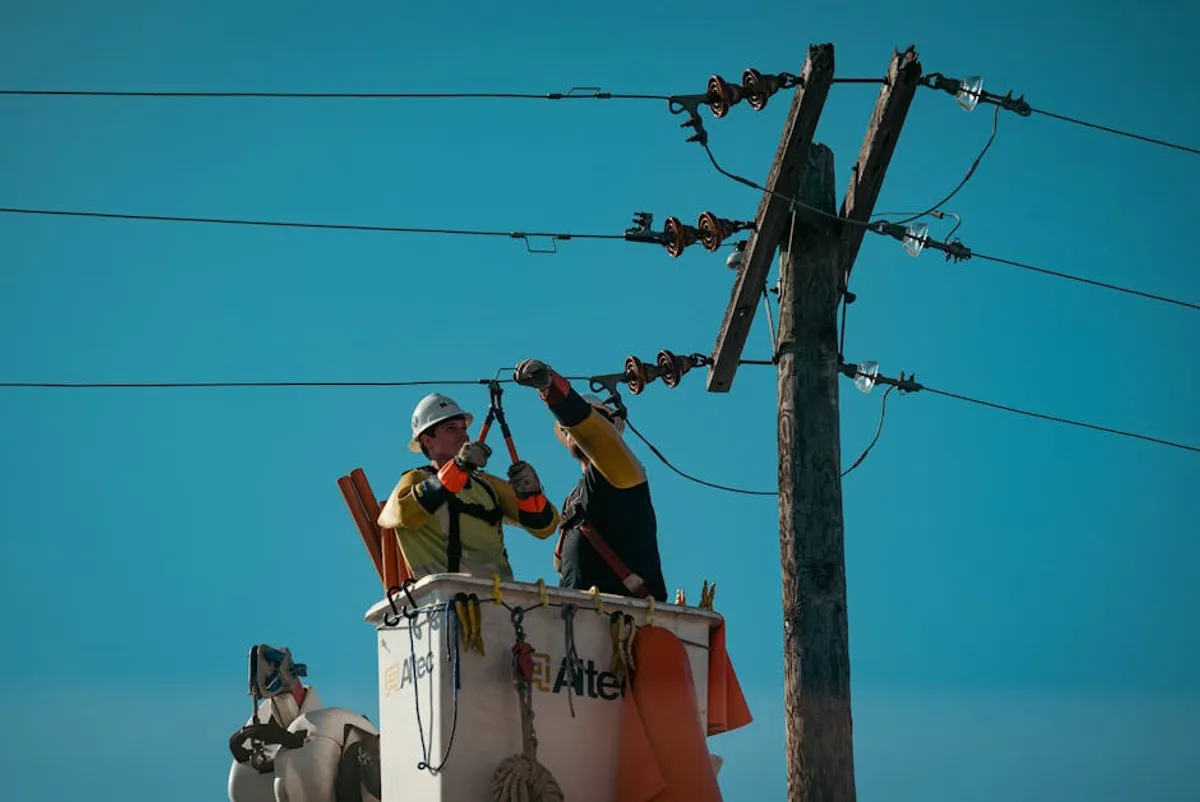
Selecting and implementing the correct electrical Personal Protective Equipment (PPE) is not merely a compliance task; it is a critical investment in worker safety and operational continuity. Electrical work inherently involves significant hazards, including arc flash, electric shock, and electrocution, which can lead to severe injury or fatality. An informed approach to PPE procurement ensures that workers are adequately shielded against these risks, minimizing incident potential and mitigating the financial and human costs associated with workplace accidents. This guide details the essential components of electrical PPE, crucial specifications, and practical buying considerations to support robust safety programs.
Understanding Electrical PPE: A Foundation for Safety
Electrical PPE comprises specialized gear designed to protect individuals from electrical hazards. Its purpose is to create a barrier between the worker and potential energy releases, such as arc flashes or direct contact with energized components. The selection of specific PPE depends directly on the hazard assessment for the task at hand, which quantifies incident energy levels and potential voltage exposure. This assessment dictates the required Arc Thermal Performance Value (ATPV) or Energy Breakopen Threshold (EBT) for arc-rated clothing and the voltage class for insulating equipment.
The core principle behind effective electrical PPE is to prevent current flow through the body, shield against thermal energy from an arc flash, and protect from ballistic projectiles or pressure waves that can occur during electrical incidents. Without properly rated and maintained PPE, workers face immediate and severe risks, underscoring its indispensable role in any electrical safety program.
Key Categories of Electrical PPE and Their Applications
Effective electrical PPE is multifaceted, covering various body parts, each with specific protection requirements.
Head and Face Protection
Arc-rated hard hats, often paired with arc-rated face shields or balaclavas, protect the head from impact and the face from intense heat and light generated by an arc flash. Face shields must meet specific arc ratings (e.g., 12 cal/cm², 20 cal/cm², 40 cal/cm²) to match the calculated incident energy. They should also provide clear visibility and be compatible with other headgear.
- Hard Hats: ANSI Z89.1 compliant, Class E (electrical) rated for dielectric strength.
- Face Shields: Arc-rated (ATPV or EBT), anti-fog, scratch-resistant.
- Balaclavas: Arc-rated, worn under face shields for neck and head coverage.
Eye Protection
Safety glasses or goggles, compliant with ANSI Z87.1, protect eyes from flying debris, sparks, and harmful UV radiation. While not typically arc-rated, they form a crucial layer of protection, especially when used in conjunction with arc-rated face shields.
Considerations: UV filtration, anti-scratch coatings, comfortable fit over prescription eyewear.
Hand Protection
Insulating rubber gloves are fundamental for protecting hands from electric shock. These are worn with leather protector gloves over them to prevent physical damage to the rubber. Gloves are categorized by voltage class (00, 0, 1, 2, 3, 4) and must meet ASTM D120 standards.
Selection Criteria: Voltage class matching the maximum potential exposure, proper sizing for dexterity, regular dielectric testing.
Body Protection
Arc-rated (AR) clothing, including shirts, pants, coveralls, and outerwear, forms the primary defense against arc flash thermal hazards. These garments are designed to self-extinguish and not melt onto the skin. They are rated by ATPV or EBT in cal/cm² and must comply with NFPA 70E and ASTM F1506 standards.
Key Attributes: Appropriate arc rating for the hazard, comfortable fit allowing full range of motion, moisture-wicking properties for comfort.
Foot Protection
Dielectric overshoes or safety boots with an Electrical Hazard (EH) rating protect feet from electric shock by providing insulation from ground. EH-rated footwear is designed to reduce the risk of electric shock by isolating the wearer from energized electrical circuits.
Requirements: ASTM F2413 compliant, EH rating clearly marked, slip-resistant soles.
Critical Specifications and Standards to Know
Understanding the relevant standards ensures that purchased PPE provides verifiable protection.
- NFPA 70E: The primary standard for electrical safety in the workplace, dictating requirements for hazard assessment, PPE selection, and safe work practices. It defines protection levels based on incident energy calculations.
- ASTM F1506: Specifies the performance requirements for flame-resistant and arc-rated textile materials used in electrical worker apparel. This standard ensures materials can withstand arc flash thermal events.
- ASTM D120: The standard specification for rubber insulating gloves, outlining testing procedures, material requirements, and voltage classes.
- ANSI Z87.1: Sets the performance criteria for occupational and educational personal eye and face protection devices, ensuring resistance to impact, splashes, and optical clarity.
- Arc Rating (ATPV/EBT): Expressed in calories per square centimeter (cal/cm²), this value indicates the maximum incident energy a material can withstand before a 50% likelihood of second-degree burn occurs (ATPV) or before the material breaks open (EBT). Selecting PPE with an arc rating equal to or greater than the calculated incident energy is mandatory.
- Voltage Classes: For insulating equipment like gloves, voltage classes (e.g., Class 00 for 500V, Class 4 for 36,000V) denote the maximum working voltage the equipment can safely withstand.
Selecting the Right Electrical PPE: Essential Buying Considerations
Effective PPE selection goes beyond meeting minimum standards; it involves practical considerations for worker acceptance and long-term utility.
Hazard Assessment Alignment: The fundamental step is to match PPE's protective capabilities directly to the specific electrical hazards identified through a detailed incident energy analysis. This ensures over-protection is avoided (which can impair dexterity and comfort) and under-protection is prevented (which is unsafe).
Comfort and Fit: Ill-fitting or uncomfortable PPE is often bypassed or worn incorrectly, negating its protective value. Prioritize designs that offer ergonomic fit, breathability, and flexibility. This directly impacts worker compliance and productivity.
Durability and Maintenance: High-quality PPE should withstand the rigors of its intended use. Evaluate material strength, stitching quality, and ease of cleaning. Understand the manufacturer's care instructions, as improper washing or storage can degrade protective properties, especially for arc-rated fabrics and insulating rubber goods.
Compliance and Certification: Verify that all PPE bears appropriate certification marks (e.g., UL, CE, ASTM, ANSI) and meets the latest versions of relevant industry standards. Request documentation from suppliers confirming compliance.
Vendor Reputation and Support: Source PPE from reputable manufacturers and distributors known for quality assurance, consistent product performance, and responsive customer support. This ensures access to reliable products and technical guidance.
Cost vs. Value: While initial cost is a factor, prioritize the overall value, which includes durability, worker acceptance, and the cost of potential injury. Investing in higher-quality, more comfortable PPE can reduce replacement frequency and increase compliance, offering long-term savings.
Pro Tip: Always conduct a thorough visual inspection of electrical PPE before each use. Look for cuts, tears, punctures, chemical degradation, or any signs of wear that could compromise its protective integrity. For insulating gloves, perform an air inflation test to check for pinholes. Damaged PPE must be immediately removed from service and replaced.
Ensuring Ongoing Electrical Safety and Compliance
Procuring the correct electrical PPE is only one part of a comprehensive safety program. Sustained vigilance is crucial for maintaining protection levels.
Regular Inspection and Testing: Establish a rigorous schedule for inspecting and testing PPE. Insulating rubber goods, for instance, require periodic dielectric testing per ASTM F496 standards, typically every six months. Arc-rated clothing should be inspected for damage and cleaned according to manufacturer guidelines to maintain its protective qualities.
Training and Education: Workers must receive comprehensive training on the proper selection, use, care, and limitations of their electrical PPE. This includes understanding incident energy levels, donning and doffing procedures, and emergency protocols. Retraining should be conducted periodically or when job duties change.
Proper Storage: Store electrical PPE in a clean, dry, and cool environment, away from direct sunlight, chemicals, and extreme temperatures. Improper storage can degrade materials, especially rubber and arc-rated fabrics, shortening their lifespan and compromising their protective effectiveness.
Common Questions About Electrical PPE
What is the difference between arc-rated (AR) and flame-resistant (FR) clothing?
While all AR clothing is inherently FR, not all FR clothing is arc-rated. FR clothing resists ignition and self-extinguishes, but AR clothing is specifically tested to withstand and protect against the thermal energy of an arc flash, providing a specific arc rating (cal/cm²).
How often should electrical insulating gloves be tested?
Insulating rubber gloves must be electrically tested before first issue and then every six months thereafter, or immediately after any incident that might have damaged them, according to ASTM F496 and NFPA 70E requirements.
Can I layer non-arc-rated clothing under arc-rated PPE?
No, only arc-rated or non-melting natural fiber underlayers (like cotton or wool) are permitted under arc-rated PPE. Synthetic materials like polyester or nylon can melt onto the skin when exposed to an arc flash, exacerbating burn injuries.
What does an "EH rated" boot mean?
An Electrical Hazard (EH) rated boot is designed with specific non-conductive, shock-resistant soles and heels to provide a secondary source of protection against accidental contact with live electrical circuits. It is tested to withstand 18,000 volts at 60 Hz for one minute with no current flow or leakage in dry conditions, as per ASTM F2413.