
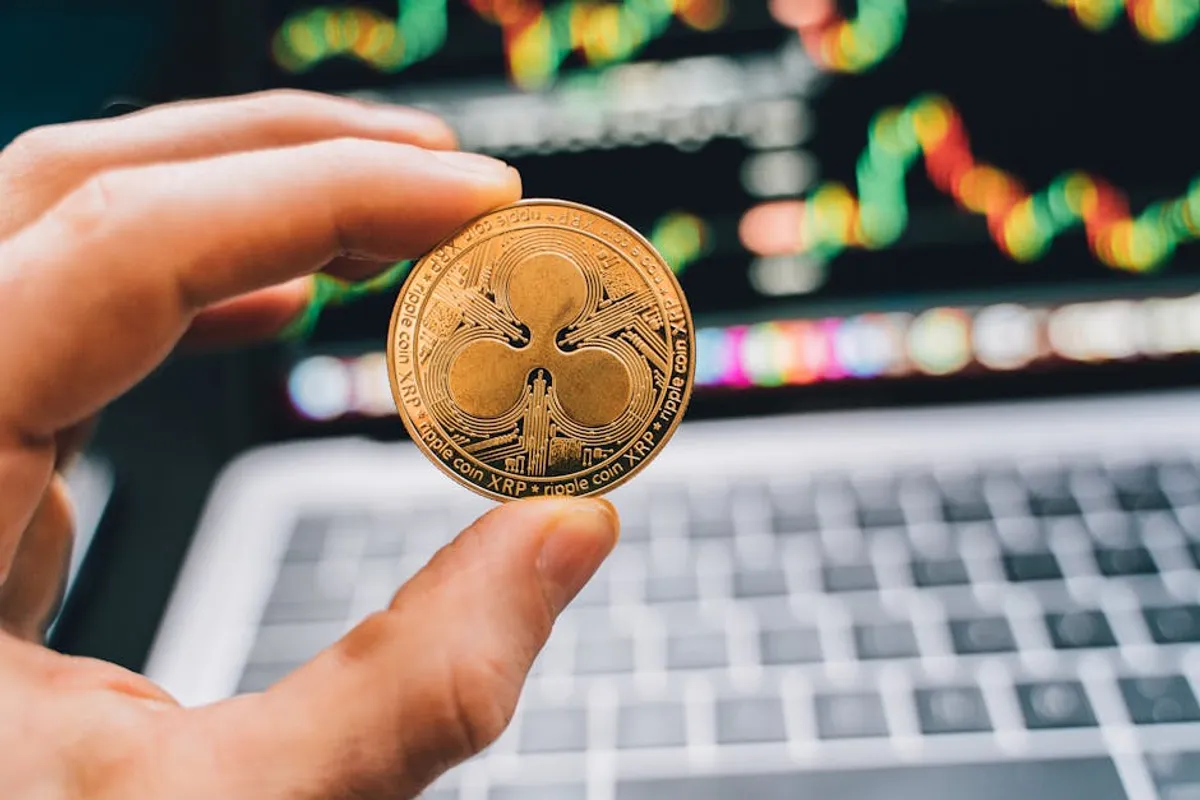
Forecasting the future trajectory of XRP requires a precise understanding of the distinct forces that shape its market valuation. Unlike many digital assets, XRP's price dynamics are profoundly influenced by a unique blend of regulatory developments, Ripple Labs' strategic initiatives, and the broader macroeconomic landscape. For investors, traders, and market observers, isolating and weighing these specific factors is critical for forming informed perspectives, rather than relying on generalized market sentiment or speculative trends alone. This analysis delves into the core drivers that dictate XRP's market movements, providing a framework for evaluating its potential performance.
Regulatory Environment and Legal Precedents
The most significant and often volatile factor impacting XRP's market has been its regulatory standing, particularly in the United States. The ongoing legal proceedings involving Ripple Labs and the U.S. Securities and Exchange Commission (SEC) have created periods of extreme price sensitivity and uncertainty. Any development, whether a court ruling, a settlement discussion, or a public statement from either party, can trigger immediate and substantial market reactions.
Impact of the SEC Lawsuit
The SEC's claim that XRP constitutes an unregistered security has fundamentally altered its market behavior. Positive legal news, such as partial court victories for Ripple, has historically led to significant price surges, reflecting renewed investor confidence and the potential for broader institutional adoption. Conversely, adverse rulings or setbacks have typically resulted in price depreciation, as concerns about future trading restrictions or classification solidify. This legal battle has served as a bellwether for the regulatory treatment of other digital assets, making its outcome keenly watched across the entire crypto industry.
Global Regulatory Divergence
Beyond the U.S., the regulatory approaches of other major jurisdictions also influence XRP's market. Countries like Japan, Switzerland, and the UK have offered varying degrees of clarity on XRP's status, often classifying it differently than the SEC. Positive regulatory frameworks abroad can bolster international adoption and trading volumes, mitigating some of the U.S.-centric pressures. Monitoring these global regulatory shifts provides a more comprehensive view of XRP's operational landscape.
Ripple's Ecosystem Development and Partnerships
XRP’s utility is intrinsically linked to Ripple Labs’ efforts to foster its adoption within financial institutions and payment networks. The growth of Ripple's On-Demand Liquidity (ODL) service, which leverages XRP for real-time cross-border payments, is a direct indicator of the asset's commercial viability and demand.
On-Demand Liquidity (ODL) Growth
ODL facilitates instant, low-cost international transactions by using XRP as a bridge currency. Expansion in ODL corridors, increased transaction volumes, and new partnerships with financial institutions directly translate into higher utility for XRP. Each new integration or expansion phase signals a tangible increase in demand for XRP, moving it from a purely speculative asset towards one with concrete real-world application. Public announcements regarding ODL adoption or new enterprise clients often precede upward price movements.
Strategic Investments and Acquisitions
Ripple's strategic investments in blockchain companies, its venture arm (RippleX), and acquisitions further contribute to the expansion of the XRP Ledger ecosystem. These initiatives aim to build out use cases beyond payments, such as decentralized finance (DeFi) and non-fungible tokens (NFTs) on the XRP Ledger. Successful ventures in these areas can broaden XRP's utility, attract new developers and users, and consequently enhance its long-term value proposition.
Pro Tip: When evaluating XRP's market potential, focus less on short-term speculative movements and more on the fundamental progress of Ripple's ODL network and regulatory clarity. Sustained growth in these areas indicates a stronger underlying demand for the asset, independent of broader market sentiment.
Broader Cryptocurrency Market Dynamics
Like most altcoins, XRP does not exist in a vacuum. Its price is often correlated with the overall performance of the cryptocurrency market, particularly Bitcoin.
Bitcoin's Influence and Altcoin Seasons
Bitcoin's price movements frequently set the tone for the entire crypto market. A significant rally in Bitcoin often pulls altcoins, including XRP, upward, while a downturn can trigger widespread corrections. Additionally, "altcoin seasons"—periods where altcoins outperform Bitcoin—can provide tailwinds for XRP. Understanding these macro market cycles helps contextualize XRP's individual price action.
Market Sentiment and Investor Behavior
General market sentiment, driven by news, social media trends, and fear/greed indices, plays a considerable role. Positive news about institutional adoption, technological breakthroughs, or favorable regulatory shifts across the crypto space can foster optimism that spills over to XRP. Conversely, negative headlines, security breaches, or regulatory crackdowns can induce panic selling. Monitoring these sentiment indicators provides insight into short-to-medium term market pressures.
Macroeconomic and Global Financial Factors
Beyond the crypto-specific elements, broader economic conditions and global financial trends exert influence on XRP's valuation.
Inflation and Interest Rates
Periods of high inflation and rising interest rates can impact investor appetite for risk assets, including cryptocurrencies. When traditional financial markets face headwinds, capital often flows out of more speculative investments. Conversely, a dovish monetary policy environment can encourage greater risk-taking and investment in digital assets. Monitoring central bank policies and economic indicators is crucial.
Global Liquidity and Capital Flows
The overall availability of capital in global financial systems directly affects the flow of funds into and out of cryptocurrency markets. Increased global liquidity tends to favor risk assets, while tighter conditions can lead to capital repatriation or a flight to safety. Geopolitical events, economic crises, or shifts in global trade can all influence these capital flows, indirectly affecting XRP's market.
Key Indicators to Monitor for XRP
To effectively track the factors influencing XRP, consider these specific indicators:
- Regulatory Updates: Follow SEC v. Ripple court filings, international regulatory body statements, and proposed legislation related to digital assets.
- Ripple Partner Announcements: Monitor Ripple's official channels for news on new ODL corridors, financial institution partnerships, and ecosystem developments.
- XRP Ledger Activity: Track transaction volumes, active addresses, and developer engagement on the XRP Ledger, often available via public blockchain explorers.
- Overall Crypto Market Cap: Observe the total market capitalization of cryptocurrencies, particularly Bitcoin's dominance and price action.
- Macroeconomic Data: Pay attention to inflation reports, interest rate decisions from major central banks, and global economic growth forecasts.
Navigating the XRP Market Landscape
Understanding the interplay of regulatory clarity, Ripple's strategic advancements, and broader market forces is fundamental for anyone engaging with XRP. The asset's unique position, particularly its ongoing legal battle, means it often reacts to specific news events with greater intensity than many peers. By systematically tracking the outlined factors, market participants can build a more robust framework for assessing XRP's potential and managing their exposure to its inherent volatility. Continuous, informed monitoring of these drivers is not just advisable; it is essential for navigating the complexities of the XRP market effectively.
Frequently Asked Questions About XRP Market Factors
How does the SEC lawsuit specifically affect XRP's price?
The SEC lawsuit creates regulatory uncertainty, which often suppresses institutional investment and can lead to delistings on U.S. exchanges. Positive legal outcomes tend to increase investor confidence and trading volume, while negative developments can cause price drops due to fear of restricted future trading or classification.
What role do Ripple's partnerships play in XRP's valuation?
Ripple's partnerships, especially those related to its On-Demand Liquidity (ODL) service, directly increase the utility and real-world demand for XRP. More financial institutions using ODL for cross-border payments means higher transaction volumes for XRP, which can contribute to its long-term value proposition.
Is XRP's price influenced by Bitcoin's performance?
Yes, XRP's price is often correlated with Bitcoin's performance. As the dominant cryptocurrency, Bitcoin's major price movements typically influence the broader altcoin market, including XRP. A strong Bitcoin rally can pull XRP up, while a significant Bitcoin correction can lead to XRP price declines.
How do global economic conditions impact XRP?
Global economic conditions, such as inflation rates, interest rate policies from central banks, and overall market liquidity, can influence investor appetite for risk assets like cryptocurrencies. During periods of economic uncertainty or tighter monetary policy, investors may reduce their exposure to speculative assets, which can affect XRP's price.



