
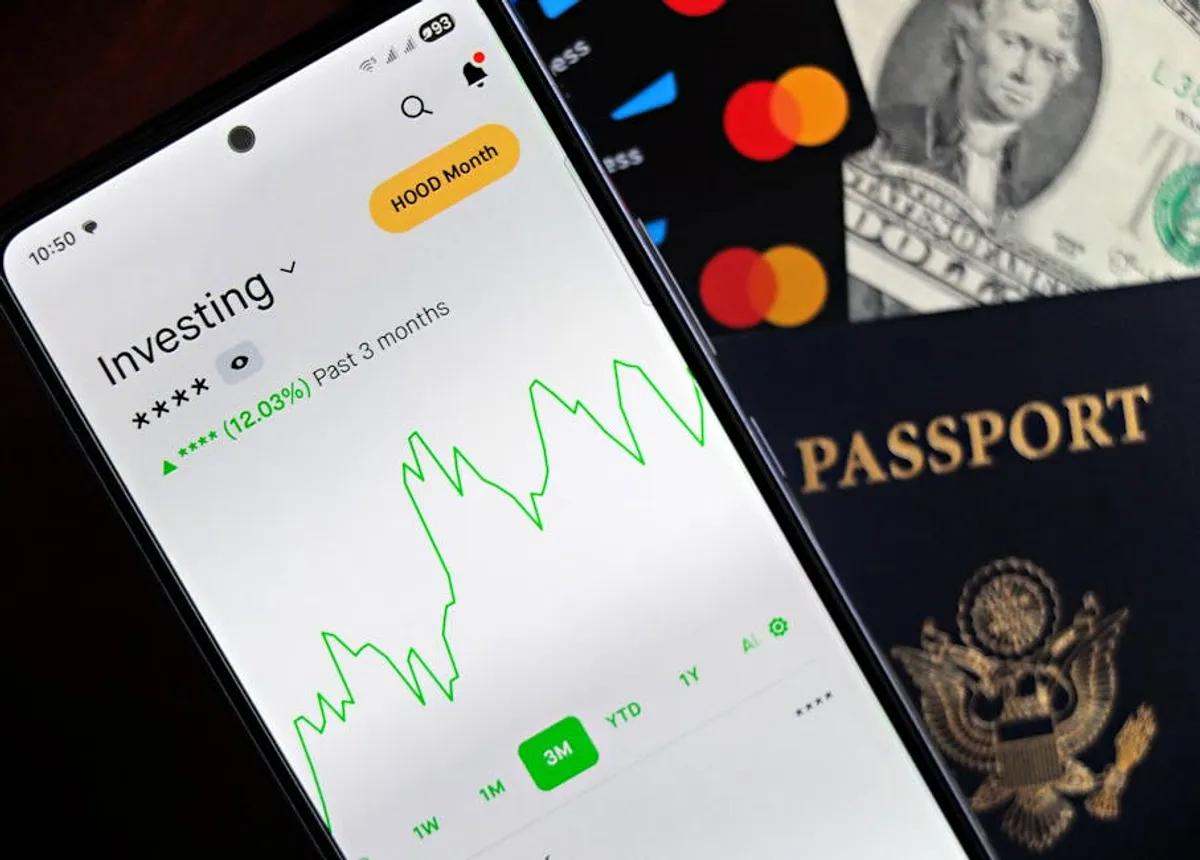
Investors frequently evaluate diverse asset classes, weighing established market leaders against emerging technological disruptors. The comparison between Visa stock and Bitcoin exemplifies this dynamic, pitting a foundational global payment network against a decentralized digital currency. Understanding the distinct characteristics, risk profiles, and value propositions of each is essential for informed capital allocation.
Visa Stock: A Core Financial Infrastructure Play
Investing in Visa stock means buying into a global payment technology company that facilitates transactions between consumers, merchants, financial institutions, and government entities. Visa does not issue cards directly or extend credit; instead, it operates one of the world's largest retail electronic payment networks, processing transactions and charging fees for its services. Its revenue streams are primarily derived from service fees (based on payment volume), data processing fees (for authorizing, clearing, and settling transactions), and international transaction fees.
Business Model: Visa's strength lies in its extensive network effect. As more consumers use Visa cards and more merchants accept them, the value of the network increases for all participants. This creates significant barriers to entry for competitors. Its operations are highly regulated, ensuring a degree of stability and compliance within the global financial system.
Investment Characteristics:
- Established Revenue: Consistent growth driven by increasing electronic payment adoption worldwide.
- Dividends: Historically, Visa has paid quarterly dividends, appealing to income-focused investors.
- Market Capitalization: A large-cap stock, typically associated with lower volatility compared to smaller, growth-oriented companies.
- Regulatory Environment: Operates within a well-defined, albeit complex, regulatory framework.
Bitcoin: The Decentralized Digital Asset
Bitcoin (BTC) is a decentralized digital currency, without a central bank or single administrator, that can be sent from user to user on the peer-to-peer bitcoin network without the need for intermediaries. Transactions are verified by network nodes through cryptography and recorded in a public distributed ledger called a blockchain. Its supply is capped at 21 million coins, a feature designed to prevent inflation and create scarcity.
Value Proposition: Bitcoin's appeal stems from its decentralization, censorship resistance, and its potential as a store of value, often termed "digital gold." It offers an alternative to traditional financial systems, with transactions recorded transparently on a public ledger, though user identities remain pseudonymous.
Investment Characteristics:
- Scarcity: Fixed supply of 21 million units, programmed into its protocol.
- Decentralization: No single entity controls the network, reducing single points of failure.
- Volatility: Historically exhibits significant price swings, influenced by market sentiment, regulatory news, and adoption rates.
- Custody: Requires understanding of digital wallets and private keys, or reliance on third-party custodians (exchanges).
Key Investment Considerations
Underlying Value Proposition and Drivers
Visa's value is intrinsically linked to global economic activity and the continued shift from cash to digital payments. Its revenue scales with transaction volume and cross-border commerce. Bitcoin's value, conversely, is driven by its perceived utility as a store of value, its adoption as a medium of exchange, network security, and speculative demand. Its fixed supply model contrasts sharply with traditional equities, where share issuance can dilute ownership.
Volatility and Risk Profile
Visa stock, as an established blue-chip company, typically exhibits lower volatility than Bitcoin. Its risks are primarily tied to macroeconomic downturns, increased competition in payment processing, regulatory changes impacting interchange fees, or technological disruptions. Bitcoin, however, is known for its high price volatility. Its risks include regulatory crackdowns, technological vulnerabilities, competition from other cryptocurrencies, and rapid shifts in investor sentiment.
Regulatory Landscape and Governance
Visa operates within a mature and heavily regulated financial industry. Compliance with global financial laws, anti-money laundering (AML) regulations, and consumer protection acts is central to its operations. Bitcoin, by contrast, exists in a nascent and evolving regulatory environment. Regulations vary significantly by jurisdiction, ranging from outright bans to comprehensive legal frameworks. This regulatory uncertainty is a significant factor for investors.
Pro Tip: Before committing capital, thoroughly research the regulatory status of Bitcoin in your jurisdiction and understand the implications for taxation, reporting, and custody. The legal landscape for digital assets is dynamic and can significantly impact investment viability.
Investment Horizon and Strategy
Investors often consider Visa stock for long-term growth, dividend income, and portfolio stability, viewing it as a proxy for global economic expansion and digital payment trends. Bitcoin investment, for many, is a more speculative play, aiming to capitalize on its potential as a disruptive technology or a hedge against inflation. Its high volatility means short-term trading is common, but long-term holders ('HODLers') aim to benefit from its potential for significant appreciation over extended periods.
Accessibility and Custody
Investing in Visa stock is straightforward through traditional brokerage accounts. Custody of shares is typically managed by the brokerage. Investing in Bitcoin requires opening an account with a cryptocurrency exchange, and investors must then decide between leaving their assets on the exchange (third-party custody) or transferring them to a personal digital wallet (self-custody), which requires managing private keys.
Shaping Your Investment Perspective
The decision between Visa stock and Bitcoin is not an either/or for all investors; rather, it often involves understanding how each asset fits into a diversified portfolio. Visa represents exposure to a robust, established financial infrastructure with predictable growth vectors and regulatory oversight. Bitcoin offers exposure to a new, decentralized asset class with high growth potential, but also significant volatility and evolving regulatory challenges.
Your investment choice should align with your personal risk tolerance, investment goals, and understanding of the underlying technology and market dynamics. Evaluate whether you seek stable, regulated growth with potential dividends or are willing to accept higher risk for potentially greater, albeit less predictable, returns in a rapidly developing asset class.
Frequently Asked Questions
Is Visa stock a safer investment than Bitcoin?
Visa stock is generally considered less volatile and carries different types of risks compared to Bitcoin. As an established, regulated company, its price movements are typically more predictable, tied to global economic performance and company fundamentals.
Can Bitcoin replace Visa as a payment network?
While Bitcoin can function as a medium of exchange, its current transaction speeds and fees typically do not match the efficiency and scale of Visa's network for everyday retail payments. Technological advancements and layer-2 solutions are working to address these limitations, but a direct replacement is not imminent for mainstream use.
What drives the value of Visa versus Bitcoin?
Visa's value is driven by its revenue from transaction processing fees, global payment volume growth, and its network effect. Bitcoin's value is influenced by its fixed supply, adoption rates, network security, speculative demand, and its perceived role as a decentralized store of value.
How do regulatory differences impact investing in each?
Visa operates within a well-defined and mature regulatory framework, providing a degree of stability and predictability. Bitcoin's regulatory landscape is still developing and fragmented globally, leading to higher uncertainty and potential for sudden market shifts based on new legislation or bans.



