
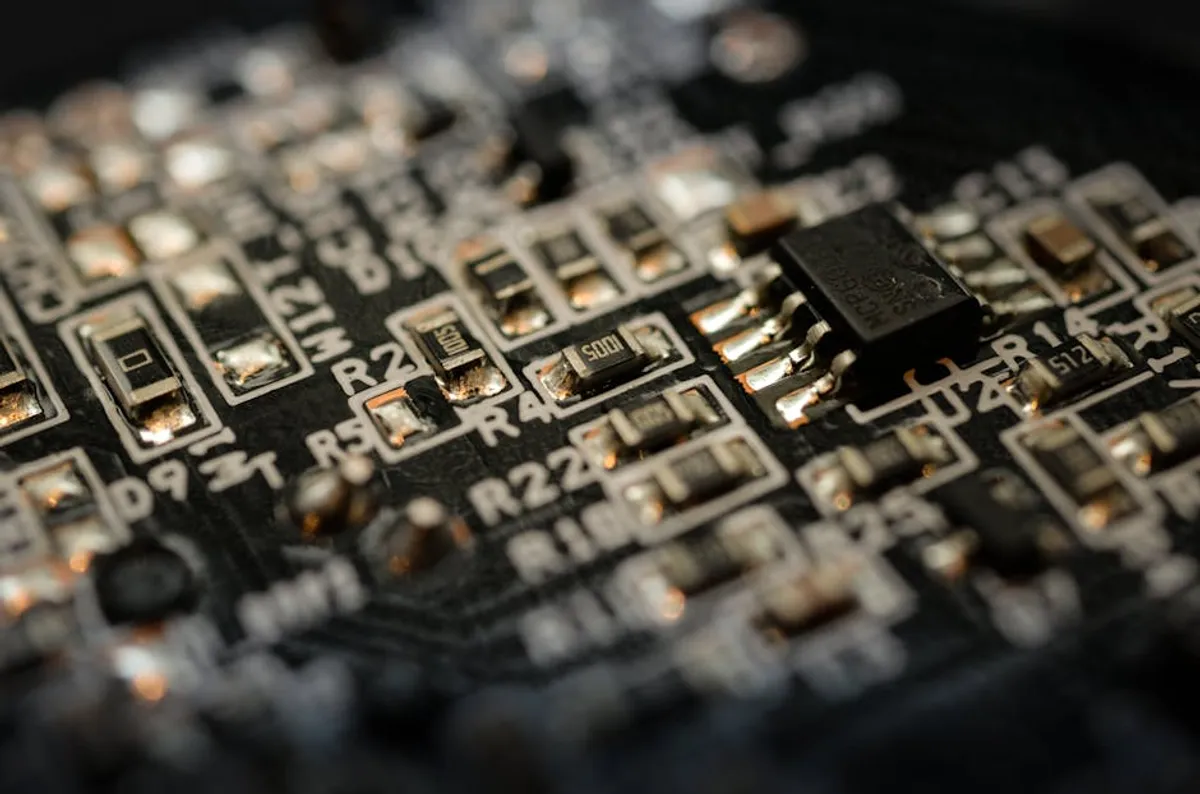
The semiconductor sector, often called the "brains" of modern technology, underpins virtually every digital device and advanced system. Its performance is a bellwether for technological progress and, consequently, a critical area for investors and market watchers. Understanding what influences semiconductor stock performance requires looking beyond daily headlines to the fundamental demand drivers, intricate supply chain dynamics, and macroeconomic currents that shape this complex industry.
For those evaluating investment opportunities or assessing broader economic trends, dissecting the forces that move semiconductor stocks is essential. This involves recognizing the long-term technological shifts creating new markets, the capital-intensive nature of chip manufacturing, and the geopolitical landscape that increasingly impacts global supply and demand.
Core Demand Drivers Shaping Sector Growth
The semiconductor industry’s growth is not uniform; it concentrates around specific, high-growth technological advancements that necessitate increasingly sophisticated and powerful chips. Identifying these areas provides insight into which segments of the market are likely to outperform.
Artificial Intelligence and Data Centers
The proliferation of artificial intelligence, particularly in large language models and cloud computing, creates substantial demand for high-performance graphics processing units (GPUs) and specialized AI accelerators. Data centers, the foundational infrastructure for these AI applications, require immense processing power, high-bandwidth memory, and efficient networking chips. Companies supplying these components benefit directly from the escalating investment in AI infrastructure, as each new model or service demands more computational resources. This trend is not merely about volume but also about the increasing average selling price (ASP) of these advanced chips.
Automotive Electrification and Autonomy
Modern vehicles are evolving into sophisticated computing platforms. The shift towards electric vehicles (EVs) and advanced driver-assistance systems (ADAS) significantly increases semiconductor content per car. EVs require power management integrated circuits (PMICs), microcontrollers, and sensors for battery management, motor control, and charging infrastructure. ADAS and future autonomous driving systems demand high-performance processors, radar, lidar, and camera sensors for real-time environmental perception and decision-making. This automotive transformation represents a durable, long-term growth vector for chipmakers specializing in reliability and safety-critical applications.
Internet of Things (IoT) and Edge Computing
The expansion of the Internet of Things, encompassing everything from smart home devices to industrial sensors, fuels demand for low-power, cost-effective microcontrollers, connectivity chips (Wi-Fi, Bluetooth, 5G), and specialized security hardware. Edge computing, which processes data closer to its source rather than in a centralized cloud, further drives demand for energy-efficient processors capable of handling localized AI inferences and data analytics. This segment is characterized by high unit volumes and a diverse range of applications, contributing to broad-based semiconductor demand.
Supply Chain Dynamics and Geopolitical Factors
Beyond demand, the semiconductor industry is profoundly influenced by its globalized, yet increasingly fragmented, supply chain and the geopolitical currents that shape it.
Manufacturing Capacity and Capital Expenditure
Building and equipping a modern semiconductor fabrication plant (fab) requires tens of billions of dollars and several years. This high capital expenditure (CapEx) and long lead time mean supply adjustments lag demand shifts. Key equipment manufacturers, such as those producing extreme ultraviolet (EUV) lithography machines, hold bottleneck positions. Monitoring CapEx plans from major foundries (e.g., TSMC, Samsung, Intel) provides insight into future supply capacity and the industry’s confidence in sustained demand. Periods of underinvestment can lead to future supply shortages, while overinvestment can result in gluts.
Geopolitical Tensions and Trade Policies
The global nature of chip design, manufacturing, and assembly makes the sector susceptible to geopolitical tensions. Export controls, tariffs, and government subsidies aimed at fostering domestic chip production (e.g., the CHIPS Act in the U.S.) can significantly alter supply chains and market access. Restrictions on technology transfers, particularly concerning advanced manufacturing equipment or intellectual property, can impact the competitive landscape and force companies to re-evaluate their operational footprints. These factors introduce an element of risk and opportunity, depending on a company's geographic exposure and technological leadership.
Pro Tip: When evaluating semiconductor stocks, look beyond current earnings to understand a company's position within critical supply chain bottlenecks or its exposure to specific geopolitical risks. A strong market position in advanced lithography equipment or specialized materials, for instance, can offer significant insulation against broader market fluctuations.
Technological Innovation Cycles
The semiconductor industry is defined by relentless innovation, with new technologies constantly pushing the boundaries of performance and efficiency. These innovation cycles create competitive advantages and can rapidly shift market leadership.
- Advanced Packaging: Moving beyond traditional 2D chip designs, advanced packaging techniques like 3D stacking (e.g., HBM memory) and chiplets allow for greater integration, improved performance, and better power efficiency by combining multiple specialized dies into a single package. This extends Moore's Law benefits even as traditional transistor scaling becomes more challenging.
- Materials Science: Research into novel materials, such as gallium nitride (GaN) and silicon carbide (SiC) for power electronics, enables higher efficiency and smaller form factors in applications like EVs and data center power supplies.
- Process Technology Nodes: The continuous shrinking of transistor sizes (e.g., from 7nm to 5nm to 3nm) allows for more transistors on a chip, leading to increased performance and reduced power consumption. Leadership in these advanced nodes is a key differentiator for foundries and integrated device manufacturers (IDMs).
Market Sentiment and Valuation Metrics
While fundamental drivers are crucial, market sentiment and broader macroeconomic conditions also play a significant role in short-to-medium-term stock movements.
Earnings, Guidance, and Analyst Revisions
Quarterly earnings reports, particularly forward guidance from management regarding future revenue and profit expectations, often trigger significant stock movements. Analyst revisions to price targets and ratings, based on new information or changing industry outlooks, can also sway investor sentiment. The cyclical nature of the industry means that even minor shifts in guidance can be amplified by market participants anticipating larger trends.
Interest Rates and Macroeconomic Headwinds
Semiconductor stocks, especially those in growth-oriented segments, can be sensitive to changes in interest rates. Higher rates increase the cost of capital for companies, potentially slowing CapEx, and can make future earnings less attractive to investors. Broader macroeconomic headwinds, such as inflation, recessions, or reduced consumer spending, can directly impact demand for electronics, ultimately affecting chip orders across various end markets.
Navigating the Semiconductor Landscape
Investing in or analyzing the semiconductor sector requires a multi-faceted approach. Focus on companies with strong intellectual property in high-growth areas like AI or automotive, robust balance sheets to fund continuous R&D and CapEx, and diversified customer bases to mitigate reliance on any single end market. Pay close attention to supply chain resilience, geopolitical developments, and the long-term technological roadmaps of key players. The sector's inherent volatility necessitates a long-term perspective and a deep understanding of the underlying forces at play.
Frequently Asked Questions
What are the primary drivers of semiconductor demand?
The primary drivers include the growth of artificial intelligence and data centers, the electrification and increasing autonomy of the automotive industry, and the widespread adoption of the Internet of Things and edge computing applications.
How do geopolitical events affect semiconductor stocks?
Geopolitical events, such as trade disputes, export controls, and government subsidies, can disrupt global supply chains, alter market access, and influence manufacturing locations, thereby impacting the revenue and profitability of semiconductor companies.
Why is capital expenditure so important in the semiconductor industry?
Capital expenditure is crucial because building and equipping advanced chip fabrication plants (fabs) is extremely expensive and time-consuming. These investments determine future production capacity and technological capabilities, directly influencing long-term supply and competitive positioning.
What role does technological innovation play in stock performance?
Technological innovation, including advancements in process nodes, packaging techniques, and materials science, drives competitive advantage by enabling higher performance, lower power consumption, and new applications. Companies that lead in these areas often gain market share and achieve higher valuations.



