
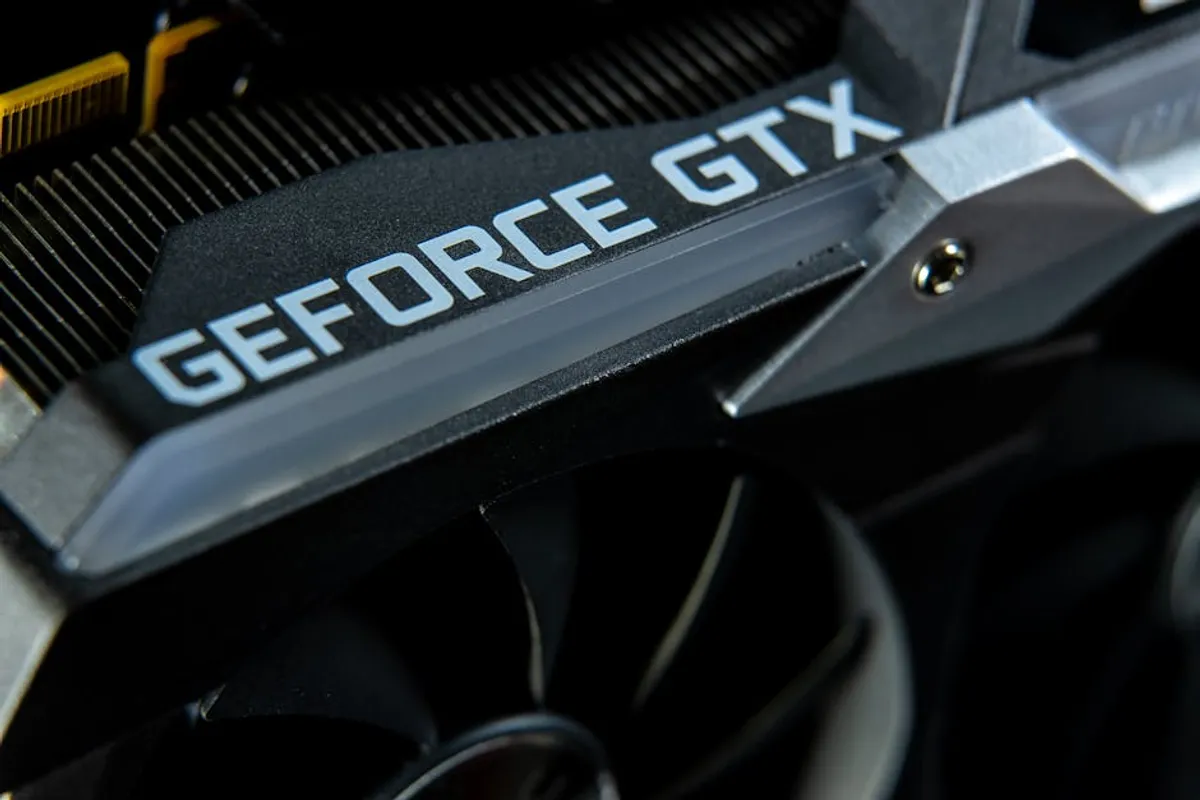
Investors frequently evaluate Nvidia (NVDA) and Visa (V) stock, often contrasting their fundamental business models and growth trajectories. This comparison is not about identifying a universally "better" stock, but rather understanding how each fits into diverse portfolio strategies, aligning with specific investor objectives, risk tolerances, and market outlooks.
Nvidia represents the high-growth, innovation-driven segment of the technology sector, deeply embedded in artificial intelligence, data centers, and advanced computing. Visa, conversely, operates as a foundational pillar of the global financial system, deriving revenue from the vast and continuous flow of digital transactions. The decision to favor one over the other typically reflects a strategic choice between aggressive capital appreciation potential and consistent, resilient financial infrastructure exposure.
Nvidia: The Engine of Next-Generation Computing
Nvidia's primary business revolves around designing graphics processing units (GPUs) and system-on-a-chip (SoC) units, which have become indispensable across several high-growth sectors. Initially dominant in gaming, its technology has expanded dramatically into data centers, professional visualization, and automotive applications, particularly in artificial intelligence (AI) and machine learning.
Core Business: Nvidia's revenue streams are largely driven by its Data Center segment, which supplies high-performance GPUs and networking solutions critical for AI training and inference, cloud computing, and enterprise workloads. Its Gaming segment continues to be a significant contributor, alongside Professional Visualization (workstations for design and engineering) and Automotive (AI cockpits, autonomous driving platforms).
Growth Drivers: The company benefits from secular trends in AI adoption, the expansion of cloud infrastructure, and the increasing demand for high-fidelity graphics. Nvidia's CUDA platform creates a sticky ecosystem, making it challenging for competitors to replicate its software-hardware synergy. This intellectual property advantage positions it at the forefront of technological innovation.
Market Position: Nvidia holds a dominant market share in high-end GPUs for both gaming and data centers, particularly for AI applications. Its continuous investment in research and development solidifies this leadership, but also exposes it to intense competition and the cyclical nature of semiconductor demand.
Visa: The Global Payment Network
Visa operates as a global payments technology company, facilitating electronic funds transfers throughout the world. It does not issue cards, extend credit, or set consumer interest rates; instead, it provides the processing network and brand that enable financial institutions to offer payment products.
Core Business: Visa generates revenue primarily from service revenues (based on payment volumes), data processing revenues (based on transaction counts), and international transaction revenues. Its business model is largely volume-driven, benefiting from the global shift away from cash and checks towards digital payments.
Growth Drivers: The company thrives on increasing consumer spending, e-commerce expansion, and the ongoing digitization of payments worldwide. Its vast network, brand recognition, and security infrastructure create significant barriers to entry for potential competitors, fostering a powerful network effect where more users and merchants enhance the value for all participants.
Market Position: Visa, alongside its primary competitor, forms a duopoly in the global card payments processing industry. Its extensive acceptance network spans over 200 countries and territories, making it a ubiquitous payment option. This global reach provides resilience against regional economic downturns and ensures consistent transaction growth.
Divergent Investment Profiles: Growth Versus Stability
Comparing Nvidia and Visa reveals distinct investment profiles shaped by their industries, business models, and market dynamics.
Business Models and Revenue Drivers
- Nvidia: A technology company driven by innovation, R&D, and the adoption of cutting-edge hardware and software. Its revenue is tied to product cycles and the rapid evolution of computing paradigms like AI.
- Visa: A financial infrastructure company driven by transaction volume and the global shift to digital payments. Its revenue is more stable, deriving from the consistent, incremental growth of consumption and commerce.
Risk and Volatility
Nvidia typically exhibits higher stock price volatility due to its exposure to:
- Semiconductor supply chain disruptions.
- Rapid technological shifts and obsolescence risks.
- Intense competition in fast-evolving markets.
- Cyclical demand in gaming and enterprise IT spending.
Visa, while not immune to economic downturns (as transaction volumes can decrease), tends to be more resilient due to the essential nature of its service and its diversified global revenue base. Its risks are more tied to regulatory changes in the financial sector, cybersecurity threats, and the emergence of alternative payment systems.
Valuation Perspectives
Nvidia often trades at higher valuation multiples (e.g., price-to-earnings, price-to-sales) reflecting its higher growth potential and market leadership in transformative technologies. Investors typically assign a premium for its future earnings potential in AI and data centers. Visa, while still commanding a premium valuation due to its quality and market position, generally trades at multiples reflecting a more mature, stable growth profile.
Dividend Policies and Shareholder Returns
Nvidia has historically paid a modest dividend, prioritizing reinvestment into R&D and growth initiatives. Its primary method of returning value to shareholders is through stock appreciation driven by business expansion. Visa, conversely, has a more established history of consistent dividend growth and share repurchases, reflecting its strong free cash flow generation and mature business model, making it appealing for income-oriented investors.
Pro Tip: When evaluating high-growth tech stocks like Nvidia, scrutinize not just current earnings, but also future market opportunity, competitive moat, and R&D pipeline. For stable infrastructure players like Visa, focus on network effects, transaction volume growth, and operating leverage, as these drive long-term compounding returns.
Strategic Allocation Considerations
The choice between Nvidia and Visa, or their respective weightings in a portfolio, often comes down to an investor's strategic objectives and risk tolerance. Nvidia appeals to those seeking aggressive growth, comfortable with higher volatility, and betting on the continued exponential expansion of AI and advanced computing. These investors prioritize capital appreciation over immediate income.
Visa, on the other hand, suits investors seeking stable, predictable growth with a lower risk profile and a reliable dividend income stream. It offers exposure to the global economy's fundamental shift towards digital transactions, providing a defensive quality during market uncertainties while still participating in economic expansion.
Many diversified portfolios include both types of companies: growth-oriented innovators for upside potential and stable infrastructure providers for resilience and consistent returns. The optimal allocation depends on individual financial goals, investment horizon, and overall portfolio construction.
Frequently Asked Questions
Is Nvidia a good long-term investment?
Nvidia's long-term prospects are tied to its continued innovation in AI, data centers, and new computing paradigms. Its position as a leader in these transformative technologies suggests significant growth potential, though it also carries risks associated with technological disruption and market competition.
Is Visa considered a safe investment?
Visa is generally considered a relatively safe investment due to its essential role in global commerce, strong network effect, consistent revenue growth, and high profitability. While not entirely risk-free, its stable business model and diversified global operations provide resilience.
Which stock is better for growth investors?
Growth investors typically favor Nvidia due to its higher growth trajectory driven by its leading position in rapidly expanding technology sectors like AI and high-performance computing. Visa offers consistent, stable growth, but at a more moderate pace compared to Nvidia's potential.
How do macroeconomic factors affect these stocks?
Nvidia can be more sensitive to macroeconomic downturns affecting enterprise IT spending, consumer electronics demand, and global supply chains. Visa is also affected by economic slowdowns that reduce consumer spending and transaction volumes, but its essential service and global diversification often provide a buffer.



