
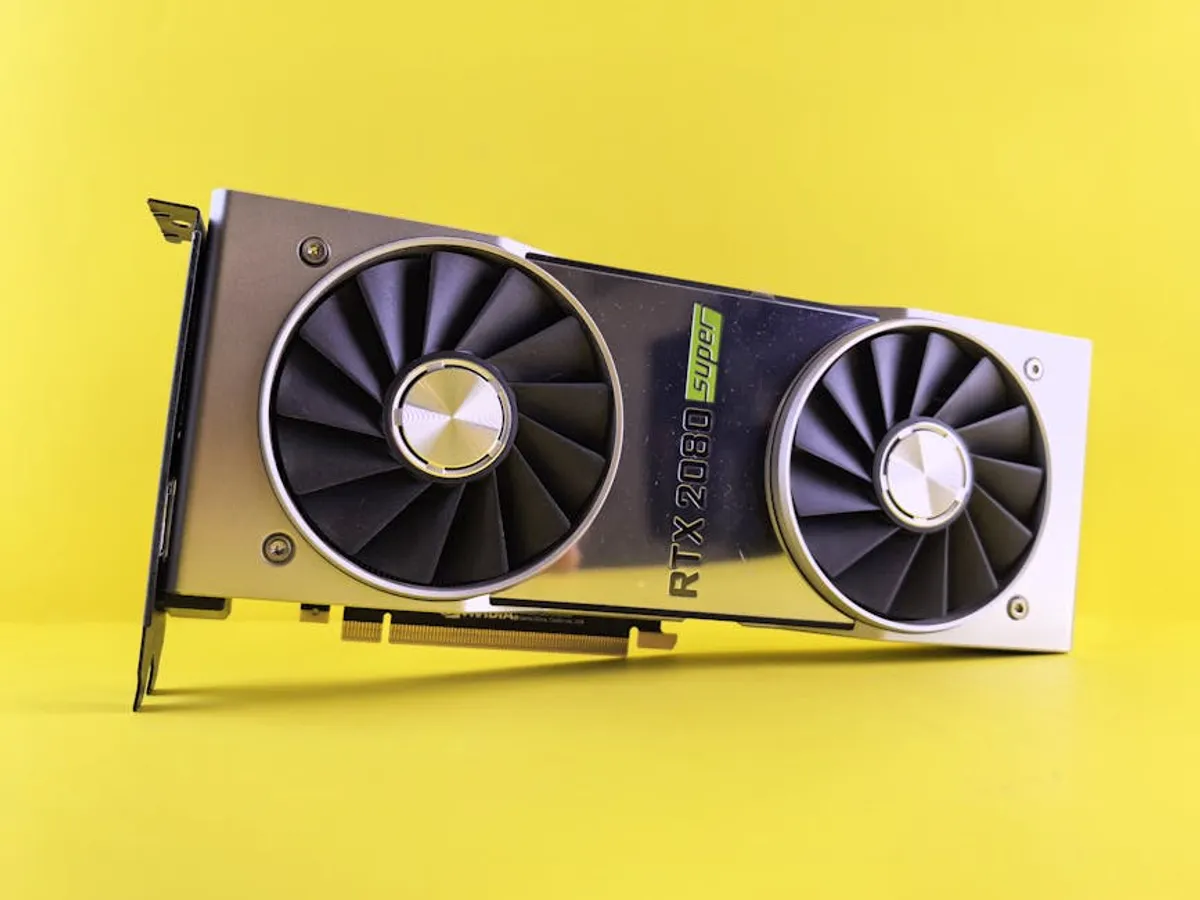
Investors frequently weigh distinct growth narratives when allocating capital. The choice between Nvidia and DoorDash stock represents a decision between foundational technology infrastructure and evolving consumer logistics. Nvidia operates at the forefront of artificial intelligence, high-performance computing, and gaming, providing the essential processing power driving numerous technological advancements. DoorDash, conversely, leads in the on-demand delivery sector, leveraging network effects and operational efficiency to connect consumers with local businesses. Each company presents a unique investment thesis, reflecting different market dynamics, risk profiles, and long-term growth trajectories. Understanding these fundamental differences is crucial for investors evaluating where to position their portfolios for future returns.
Nvidia: The AI Infrastructure Enabler
Nvidia has cemented its position as a critical supplier for the artificial intelligence revolution. Its core business revolves around designing graphics processing units (GPUs) and related software platforms, primarily CUDA, which are indispensable for training and deploying AI models, data center operations, and advanced scientific computing. The company’s market dominance stems from its early investment in parallel processing capabilities, creating a significant technological moat in a rapidly expanding field.
Business Overview and Market Dominance
Nvidia’s revenue streams are diversified across several key segments, though data center and gaming constitute the largest portions. The data center segment, fueled by demand for AI accelerators and enterprise computing, has become a primary growth engine. Gaming, its traditional stronghold, continues to benefit from hardware upgrade cycles and new game releases. Professional visualization and automotive sectors also contribute, albeit to a lesser extent, by leveraging Nvidia's GPU technology for design, simulation, and autonomous driving platforms.
Key Growth Catalysts
The primary catalyst for Nvidia's continued growth is the escalating global investment in AI. As large language models become more complex and widespread, the demand for high-performance computing infrastructure, where Nvidia holds a leading position, intensifies. Expansion into sovereign AI initiatives, cloud computing partnerships, and the broader enterprise adoption of AI tools further solidify its growth runway. New product cycles, such as the Blackwell architecture, are designed to extend performance leadership and maintain market share against competitors.
Financial Performance and Valuation Context
Nvidia has demonstrated exceptional revenue growth and robust profit margins, reflecting the high value and intellectual property embedded in its products. The company consistently reinvests heavily in research and development, maintaining its technological edge. Due to its dominant position and anticipated future growth in AI, Nvidia's stock typically trades at a premium valuation relative to traditional hardware companies. This valuation reflects market expectations for sustained high growth rates and expanding profitability as AI adoption matures.
Best for: Investors seeking exposure to the foundational technology driving AI, with a long-term horizon and tolerance for high growth stock volatility.
DoorDash: The On-Demand Logistics Leader
DoorDash operates as a logistics platform connecting consumers, merchants, and Dashers (delivery drivers) for on-demand delivery services. While primarily known for food delivery, the company has actively expanded into new verticals, including groceries, convenience stores, and retail, aiming to become the dominant local commerce platform. Its business model relies on commissions from merchants, delivery fees from consumers, and subscriptions through its DashPass program.
Business Overview and Market Strategy
DoorDash's strategy centers on achieving market leadership through geographic expansion and vertical diversification. By establishing a strong network effect—more Dashers attract more consumers, which attracts more merchants—it aims to create a defensible competitive advantage. The company invests in technology to optimize logistics, improve delivery efficiency, and enhance the user experience for all three sides of its marketplace. International expansion is also a key component of its growth strategy, targeting underserved markets.
Growth Prospects and Expansion Efforts
Future growth for DoorDash is tied to increasing order frequency among existing users, expanding its merchant base beyond restaurants, and entering new markets, both domestically and internationally. The company is actively pursuing partnerships with grocery chains and other retailers to broaden its service offerings and capture a larger share of consumer spending on local goods. Innovations in delivery methods, such as automation in certain contexts, could also contribute to long-term efficiency gains and profitability.
Financial Landscape and Path to Profitability
DoorDash has historically prioritized market share growth over immediate profitability, often operating with thin margins or net losses due to high marketing and operational expenses. However, recent trends indicate a stronger focus on achieving sustained profitability through improved unit economics, increased operational leverage, and cost management. Its financial performance is sensitive to consumer discretionary spending and competitive pressures within the delivery sector.
Best for: Investors betting on the continued shift to on-demand local commerce, who are comfortable with competitive market dynamics and a company focused on scaling towards profitability.
Direct Comparison: Divergent Investment Theses
The investment theses for Nvidia and DoorDash are fundamentally distinct, appealing to different investor profiles and market outlooks.
Industry Fundamentals and Moats
- Nvidia: Possesses a deep technological moat built on intellectual property, R&D leadership in GPU architecture, and its proprietary software ecosystem (CUDA). Its market is driven by fundamental shifts in computing paradigms (AI, HPC).
- DoorDash: Relies on network effects, operational scale, and brand recognition to maintain its market position. Its moat is more operational and market-share driven, susceptible to intense competition and evolving consumer preferences.
Pro Tip: When comparing companies across vastly different sectors, evaluate their core competitive advantages. Nvidia's advantage is proprietary technology and R&D, while DoorDash's is operational efficiency and network scale. These distinctions impact long-term defensibility and growth predictability.
Risk Exposures
Nvidia faces risks related to the cyclical nature of the semiconductor industry, geopolitical tensions impacting supply chains (e.g., US-China relations), and intense competition from other chip designers and cloud providers developing their own AI accelerators. Its high valuation also implies significant future growth expectations, making it sensitive to any slowdown in AI adoption or competitive inroads.
DoorDash's risks include intense competition from other delivery platforms, regulatory challenges concerning gig worker classification and labor costs, macroeconomic downturns affecting discretionary spending, and the constant need for customer and merchant acquisition in a price-sensitive market. Its path to consistent profitability remains a key focus for investors.
Return Profile Expectations
Nvidia offers exposure to a high-growth, high-margin technology sector with potential for substantial capital appreciation, albeit with corresponding volatility. Its returns are largely tied to the continued expansion of AI and its ability to maintain technological leadership.
DoorDash offers a bet on the expansion of the convenience economy and last-mile logistics. Its return profile is likely to be driven by market share gains, improved operational efficiency, and the eventual achievement of sustained, robust profitability. Growth may be more incremental and tied to broader consumer behavior shifts and market penetration.
Strategic Investment Considerations
Deciding between Nvidia and DoorDash requires investors to align with a specific vision for future market growth and risk tolerance. Nvidia represents a bet on the foundational technology powering the next wave of computing, characterized by high innovation cycles and significant capital expenditure in R&D. Its performance is deeply intertwined with the global adoption and advancement of AI. DoorDash, conversely, offers exposure to the evolving landscape of local commerce and logistics, where operational excellence, network effects, and market penetration are paramount. Its success hinges on capturing and retaining market share in a competitive environment while demonstrating a clear path to sustainable profitability. Investors should consider their personal investment horizon, appetite for sector-specific risks, and conviction in each company's long-term competitive advantages before making a decision.
Frequently Asked Questions
What are the primary industries for Nvidia and DoorDash?
Nvidia primarily operates in the semiconductor industry, focusing on artificial intelligence, high-performance computing, and gaming. DoorDash operates in the on-demand logistics and delivery sector, primarily for food, groceries, and local retail.
What are the main growth drivers for each company?
Nvidia's growth is largely driven by the increasing demand for AI infrastructure, data centers, and advanced computing. DoorDash's growth is fueled by the expansion of on-demand delivery services, diversification into new verticals like groceries, and international market penetration.
Which stock is considered more volatile?
Both stocks can exhibit significant volatility. Nvidia, as a high-growth technology stock, is sensitive to market sentiment around AI and semiconductor cycles. DoorDash, operating in a competitive gig economy sector, is sensitive to regulatory changes, consumer spending habits, and intense competition.
What is the key difference in their competitive advantages?
Nvidia's competitive advantage stems from its proprietary GPU technology, extensive patent portfolio, and the CUDA software platform, creating a strong technological moat. DoorDash's advantage is built on its robust logistics network, brand recognition, and network effects among consumers, merchants, and Dashers.



