
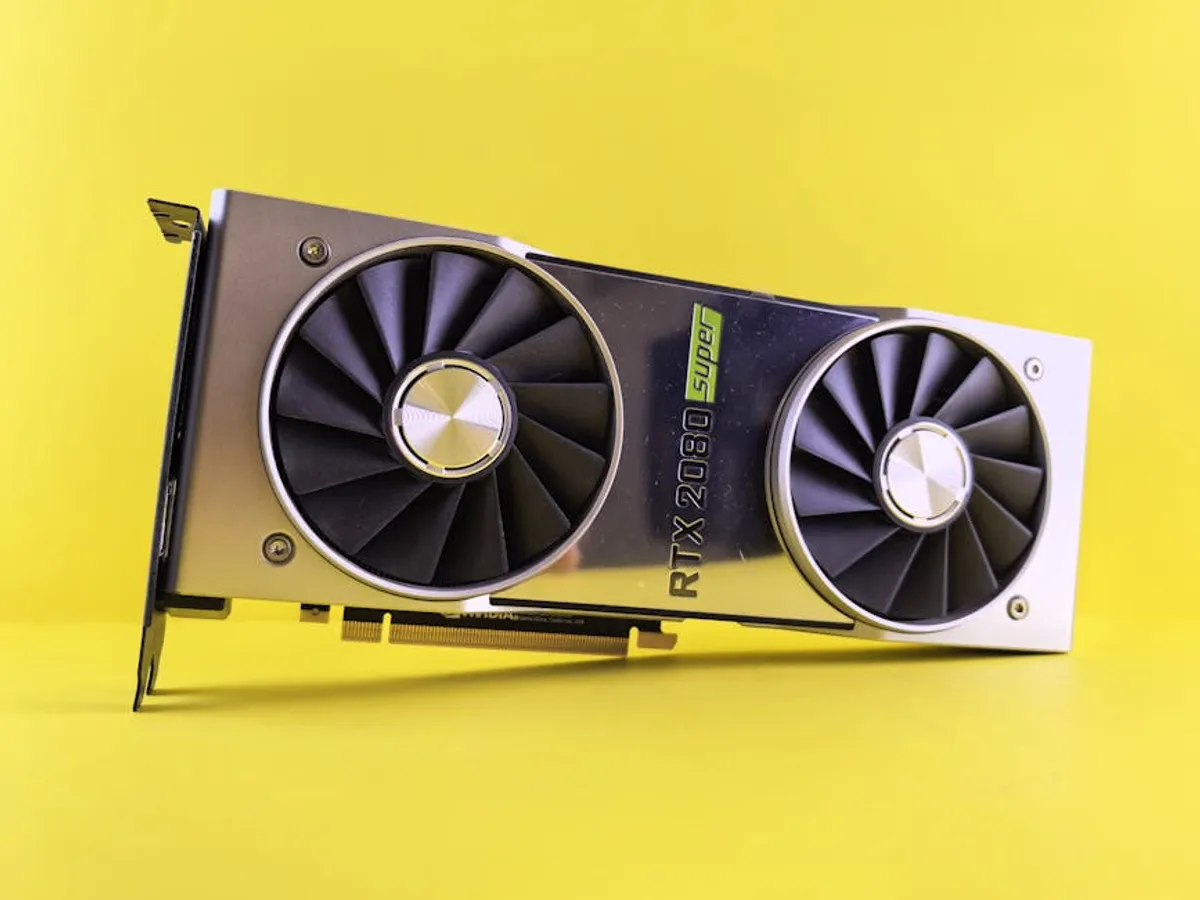
Nvidia’s operating margin serves as a critical indicator for investors, moving beyond top-line revenue growth to reveal the company's core profitability from its primary business activities. For a technology company operating in high-growth, high-competition sectors like artificial intelligence, gaming, and data centers, this metric offers insight into efficiency, pricing power, and the scalability of its operations. Understanding what drives and influences this margin is essential for assessing financial health and future earnings potential, particularly as Nvidia navigates rapid technological shifts and significant capital investments.
Understanding Nvidia's Operating Margin
Operating margin is calculated by dividing operating income by net revenue, expressed as a percentage. Operating income, in turn, is derived by subtracting the cost of goods sold (COGS) and all operating expenses (such as research and development, sales and marketing, and general and administrative costs) from total revenue. For Nvidia, this metric reflects the profit generated from selling its GPUs, chipsets, and related software and services, before accounting for non-operating items like interest and taxes.
A high or improving operating margin typically indicates effective cost management, strong demand for products, and the ability to command premium pricing. Conversely, a declining margin can signal increased competition, rising input costs, or inefficiencies in operations. Given Nvidia's position at the forefront of several demanding technological markets, its operating margin provides a window into how successfully it converts innovation and market leadership into sustainable profitability.
Key Components Influencing Margin Performance
- Gross Margin: This is the initial profitability layer, calculated as revenue minus COGS. For Nvidia, gross margin is heavily influenced by its product mix. High-end data center GPUs and AI accelerators typically carry higher gross margins than consumer gaming GPUs, especially during periods of strong demand. Pricing power, the cost of manufacturing (e.g., wafer costs from foundries like TSMC), and packaging expenses are direct drivers here.
- Operating Expenses (OpEx): These are further broken down into Research and Development (R&D), Sales and Marketing (S&M), and General and Administrative (G&A).
- R&D: Nvidia consistently invests heavily in R&D to maintain its technological lead. While a significant expenditure, it is crucial for developing next-generation architectures and software platforms. The efficiency of this spending—how well it translates into new, high-margin products—directly impacts future operating margin.
- S&M: Costs associated with promoting and selling products. This can fluctuate with new product launches and market expansion efforts.
- G&A: Covers corporate overheads.
The ability to scale revenue faster than these operating expenses is key to expanding operating margin.
Factors Driving Margin Volatility
Nvidia's operating margin is not static; it is subject to several dynamic forces inherent in the semiconductor and high-tech industries.
Product Cycles and Innovation: The launch of new GPU architectures (e.g., Hopper, Blackwell) or AI accelerator platforms often involves initial ramp-up costs for R&D and manufacturing. While these new products typically command higher prices and margins, the transition periods can introduce volatility. The speed of adoption and the competitive landscape for these innovations directly influence their long-term margin contribution.
Market Demand and Competition: Demand for Nvidia's products can be cyclical, particularly in the gaming segment. Fluctuations in cryptocurrency mining, PC gaming upgrades, and enterprise AI spending can cause significant swings. Intense competition from rivals in various segments (e.g., AMD in GPUs, Intel in CPUs and accelerators, or custom silicon from large cloud providers) can put pressure on pricing and, consequently, margins. Nvidia's ability to differentiate through performance, ecosystem (CUDA), and software is crucial for maintaining pricing power.
Supply Chain Dynamics: Global semiconductor supply chain constraints, raw material costs, and manufacturing capacity availability can impact COGS. Geopolitical events or natural disasters affecting key manufacturing hubs can lead to higher production costs or reduced output, both of which erode margins. Inventory management is also critical; excess inventory can lead to write-downs or price reductions to clear stock, directly hitting profitability.
Software and Services Revenue: Nvidia is increasingly diversifying into higher-margin software and services, such as its AI Enterprise software suite, Omniverse platform, and subscription models for cloud services. As these offerings grow as a percentage of total revenue, they can act as a stabilizing and enhancing factor for overall operating margin due to their inherently lower COGS compared to hardware.
Pro Tip for Investors: When evaluating Nvidia's operating margin, always scrutinize management's forward guidance. Pay close attention to any non-GAAP adjustments to operating income, as these can present a different picture of core profitability by excluding certain expenses like stock-based compensation or acquisition-related costs. Understanding the rationale behind these adjustments is crucial for a comprehensive assessment.
What Investors Should Monitor Specifically
For investors, a focused approach to monitoring Nvidia's operating margin involves several key data points and trends:
Quarterly Trends and Management Commentary: Track the operating margin percentage quarter-over-quarter and year-over-year. Look for consistent trends or significant deviations. Management's explanations during earnings calls for margin changes—whether due to product mix shifts, cost efficiencies, or market conditions—provide essential context.
Segment Performance Breakdowns: Nvidia reports revenue and profitability by segment (Data Center, Gaming, Professional Visualization, Automotive, OEM & Other). Analyze the operating margin contribution from each segment. The Data Center segment, driven by AI and high-performance computing, has become a significant driver of overall profitability due to its high-value products and software integration. Shifts in the relative contribution of these segments can heavily influence the consolidated operating margin.
R&D Investment vs. Revenue Growth: Assess whether Nvidia's substantial R&D investments are translating into proportional or accelerated revenue growth, particularly in high-margin areas. A rising R&D percentage without corresponding revenue growth can indicate inefficient spending or a lag in product commercialization, potentially pressuring future margins.
Pricing Power Indicators: Observe average selling prices (ASPs) for key products and any commentary on competitive pricing. The ability to maintain or increase ASPs, even with new product introductions, signifies strong demand and brand loyalty, which directly supports higher margins.
Inventory Levels and Capital Expenditures: Monitor inventory turnover ratios. A build-up in inventory can signal slowing demand, which might lead to future price cuts and margin erosion. Simultaneously, track capital expenditures, especially in manufacturing or infrastructure, to understand future capacity and cost structures.
Strategic Implications for Nvidia's Margin
Nvidia's strategic choices directly impact its long-term operating margin profile. The company's push for diversification beyond its traditional gaming roots into data centers, professional visualization, and automotive markets aims to reduce reliance on cyclical consumer demand and tap into higher-growth, higher-margin enterprise opportunities. The development of its software ecosystem, particularly CUDA and AI Enterprise, creates a powerful lock-in effect for customers and generates recurring, high-margin revenue streams that can buffer hardware margin fluctuations. Furthermore, any moves towards greater vertical integration or strategic partnerships in manufacturing or design could alter cost structures and, by extension, operating margins.
Tracking Nvidia's Operating Margin: A Practical Approach
To effectively track Nvidia's operating margin, investors should regularly consult the company's official financial reports, including its 10-K (annual) and 10-Q (quarterly) filings with the SEC. These documents provide detailed breakdowns of revenue, COGS, and operating expenses. Supplement this with investor presentations and earnings call transcripts, where management often discusses margin drivers, challenges, and future outlook. Comparing Nvidia's operating margin against its historical performance and against industry peers (while acknowledging differences in business models) can provide valuable context for its financial efficiency and competitive standing.
Frequently Asked Questions
What is a good operating margin for a tech company like Nvidia?
A "good" operating margin varies by industry. For a high-growth semiconductor and software company like Nvidia, operating margins consistently above 30-40% are generally considered strong, reflecting significant pricing power and efficient operations, though this can fluctuate based on market cycles and investment phases.
How does Nvidia's R&D spending affect its operating margin?
Nvidia's R&D spending, while a direct deduction in calculating operating income, is crucial for its long-term margin health. High R&D investment is necessary to develop cutting-edge products that command premium prices and maintain market leadership, which ultimately supports and expands future high-gross and operating margins.
Why is the Data Center segment important for Nvidia's operating margin?
The Data Center segment, driven by demand for AI and high-performance computing, typically features higher-value products and a stronger software component (e.g., CUDA, AI Enterprise). This segment often carries higher gross margins and contributes significantly to overall operating income due to its strategic importance and less cyclical nature compared to consumer markets.
What is the difference between gross margin and operating margin for Nvidia?
Gross margin (revenue minus cost of goods sold) indicates the profitability of Nvidia's products themselves. Operating margin (gross profit minus all operating expenses like R&D, S&M, G&A) provides a broader view of the company's efficiency in managing its entire core business operations, beyond just production costs.



