
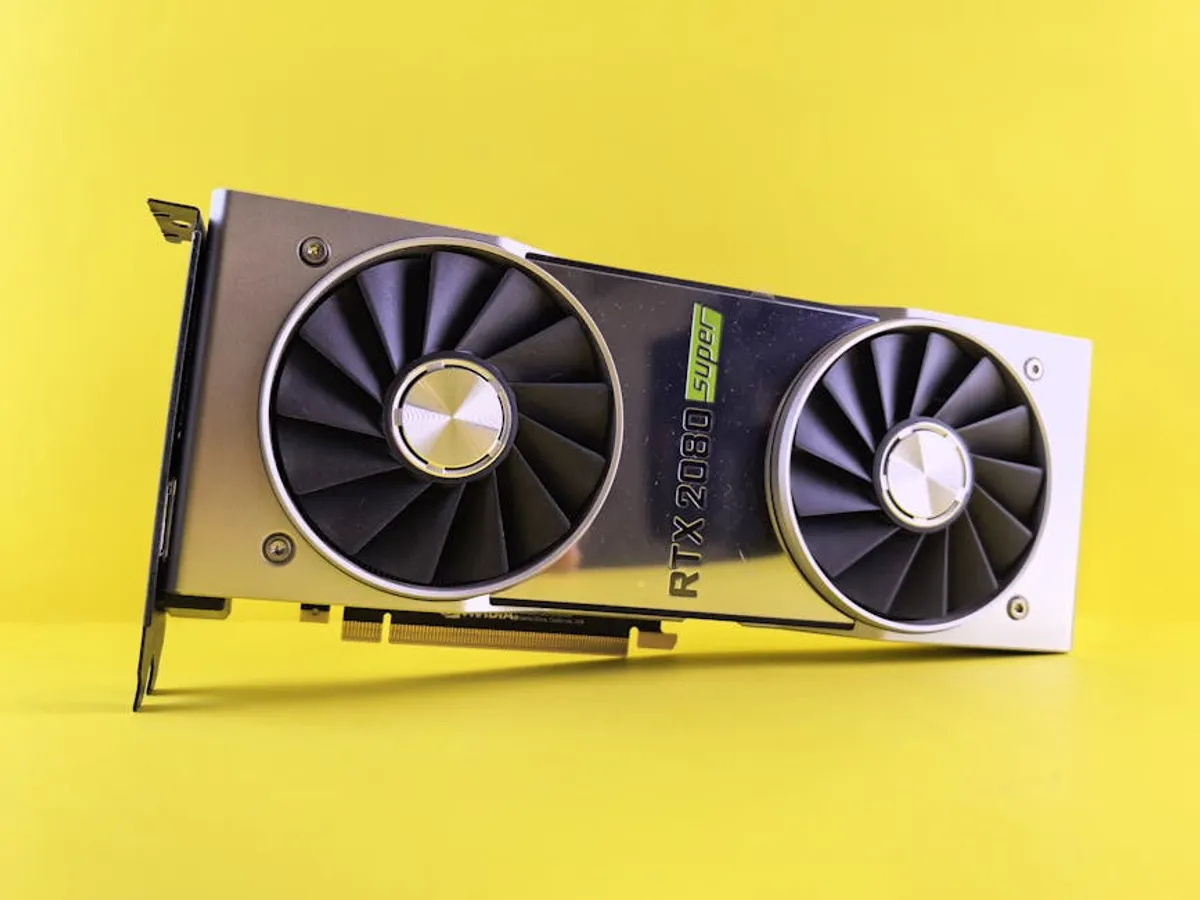
Understanding a company's investor relations materials is fundamental for anyone making informed decisions in the market, from individual investors to institutional analysts. For a technology leader like Nvidia, whose market movements can significantly impact the broader tech sector, dissecting its earnings reports, SEC filings, and management guidance is not merely an academic exercise—it is a critical component of strategic financial analysis. This guide demystifies Nvidia’s investor relations landscape, outlining where to access key data, what to prioritize, and how to interpret the information to gain a clearer perspective on the company's financial health and future trajectory.
Navigating Nvidia's Investor Relations Portal
The primary hub for all official communications regarding Nvidia's financial performance and corporate governance is its dedicated Investor Relations section. This portal aggregates essential documents and announcements, serving as the definitive source for stakeholders. Direct access to these resources ensures you are working with primary, unfiltered information.
Key sections typically include:
- Press Releases: Immediate announcements on financial results, product launches, strategic partnerships, and other material events. These often provide the initial market narrative.
- Financials: Summaries of quarterly and annual results, often presented in an easily digestible format, alongside historical data.
- Events & Presentations: Schedules for upcoming earnings calls, investor conferences, and webcasts, with archives of past events and presentation slides. Listening to earnings calls offers direct insight into management's tone and priorities.
- SEC Filings: A comprehensive archive of all documents submitted to the U.S. Securities and Exchange Commission, providing the most detailed and legally mandated disclosures.
- Stock Information: Current stock price, historical data, dividend information, and analyst coverage details.
Deconstructing Nvidia Earnings Reports
Nvidia's quarterly and annual earnings reports are snapshots of its financial performance over a specific period. These reports are often the first major data points to move the stock and shape market sentiment. A thorough review goes beyond headline numbers.
Key Components and Metrics
Each earnings report typically includes:
- Income Statement: Details revenue, cost of goods sold, operating expenses, and ultimately, net income. Pay close attention to revenue growth across key segments (e.g., Data Center, Gaming, Professional Visualization, Automotive) and changes in gross margin, which indicates profitability efficiency.
- Balance Sheet: Provides a snapshot of assets, liabilities, and shareholder equity at a specific point in time. Look for trends in cash reserves, debt levels, and inventory.
- Cash Flow Statement: Tracks the actual cash generated and used by the company from its operations, investing activities, and financing activities. Positive operating cash flow is a strong indicator of financial health.
Metrics to watch: Revenue growth, Gross Margin percentage, Earnings Per Share (EPS), and specific segment revenues (e.g., Data Center revenue often reflects AI and enterprise demand, while Gaming revenue indicates consumer GPU sales). Changes in these figures, especially relative to analyst expectations and prior periods, drive market reactions.
Navigating SEC Filings for Deeper Insights
While earnings reports offer a summary, SEC filings provide the granular detail and legal context required for comprehensive analysis. These documents are standardized and audited, making them invaluable for due diligence.
Essential SEC Filings
- 10-K (Annual Report): Filed annually, this is the most comprehensive document. It includes audited financial statements, a detailed management discussion and analysis (MD&A) of the company's financial condition and results of operations, risk factors, and information on legal proceedings and executive compensation.
- 10-Q (Quarterly Report): Filed for the first three fiscal quarters, these reports provide unaudited financial statements and an updated MD&A. They offer a more frequent look at the company's performance between annual reports.
- 8-K (Current Report): Filed to announce significant events that shareholders should know about promptly, such as acquisitions, disposals of assets, changes in corporate governance, or material agreements. These are often the fastest way to learn about major corporate developments.
- Proxy Statements (DEF 14A): Distributed before shareholder meetings, these documents contain information about matters to be voted on, including director nominations, executive compensation, and proposals. They offer insights into corporate governance and compensation structures.
How to read them: Focus on the "Management's Discussion and Analysis of Financial Condition and Results of Operations" section for management's narrative on performance. The "Risk Factors" section details potential threats to the business, offering a balanced view often absent from promotional materials.
Pro Tip: When reviewing Nvidia's SEC filings, pay particular attention to the "Risk Factors" section in the 10-K. This outlines potential challenges, from supply chain disruptions and geopolitical tensions to competitive pressures and technological shifts. Understanding these risks provides a more complete picture of the company's operating environment and can contextualize future performance fluctuations.
Understanding Management Guidance and Analyst Calls
Beyond historical data, management guidance offers a forward-looking perspective, providing estimates for future financial performance. This is often the most impactful element for market participants, as it directly influences analyst models and investor expectations.
Guidance and its Significance
Nvidia's management typically provides guidance on key metrics for the upcoming quarter, such as total revenue, gross margin, operating expenses, and tax rate. A company's guidance often carries more weight than its past performance, as it signals management's confidence and outlook. When actual results align with or exceed guidance, it can bolster investor confidence; a miss, however, often leads to negative market reaction.
Earnings Calls
Following the release of earnings reports, Nvidia hosts conference calls where management discusses results, provides guidance, and answers questions from financial analysts. These calls are invaluable for understanding the qualitative aspects of the business—management's strategic priorities, market observations, and responses to competitive dynamics. Transcripts and webcasts of these calls are typically available on the Investor Relations portal, allowing for detailed review.
Strategic Monitoring and Application
Consistently monitoring Nvidia's investor relations materials allows for a dynamic understanding of its business. This isn't about predicting daily stock movements, but rather building a robust, evidence-based perspective on the company's long-term potential and current operational health. By cross-referencing earnings data with SEC disclosures and management commentary, investors and analysts can identify trends, assess risk, and refine their investment theses. This structured approach helps differentiate between short-term market noise and fundamental shifts in the company's trajectory.
Frequently Asked Questions
Where can I find Nvidia's latest earnings report?
Nvidia's latest earnings report is always available in the "Financials" or "Press Releases" section of its official Investor Relations website. These are typically updated immediately after the earnings announcement.
What is the difference between a 10-K and a 10-Q filing?
A 10-K is an annual, audited report providing a comprehensive overview of the company's financial performance and business operations. A 10-Q is a quarterly, unaudited report offering financial updates for the first three fiscal quarters, less detailed than the 10-K.
How does management guidance impact Nvidia's stock price?
Management guidance, which provides forward-looking estimates for revenue and profitability, significantly impacts stock price. If guidance exceeds market expectations, the stock often rises; if it falls short, the stock typically declines, as it signals a shift in the company's anticipated future performance.



