
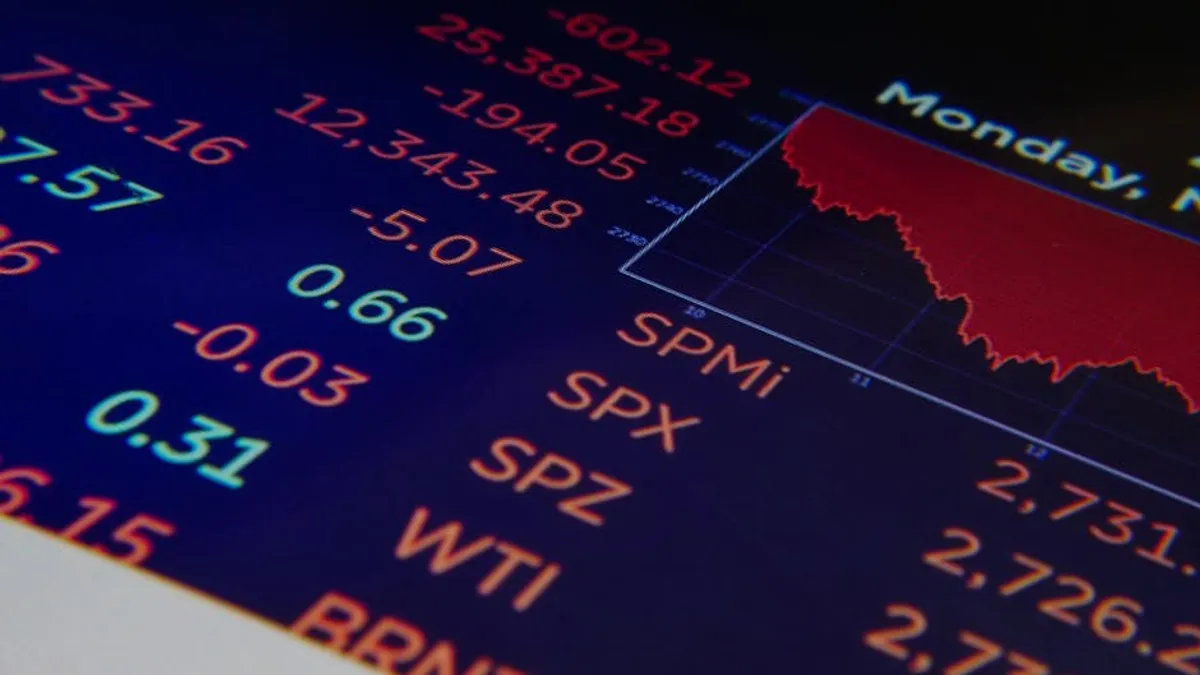
Understanding the Nasdaq’s trajectory is crucial for professionals across finance, marketing, and technology. Its movements often signal broader shifts in economic sentiment, innovation cycles, and investor appetite for growth-oriented assets. For those managing digital properties, allocating advertising budgets, or developing new products, anticipating these shifts can inform strategic decisions, from identifying emerging market opportunities to adjusting risk exposure in investment portfolios. This analysis outlines the primary factors that drive Nasdaq’s performance, providing a framework for interpreting market signals and forecasting potential trends. Understanding the Nasdaq’s trajectory is crucial for professionals across finance, marketing, and technology, and exploring how tech stocks move the market can offer valuable insights.
Understanding Nasdaq's Composition and Sensitivity
The Nasdaq Composite Index, heavily weighted towards technology and growth companies, reacts distinctly to market forces compared to broader indices like the S&P 500 or Dow Jones Industrial Average. Its sector concentration means specific economic or technological shifts can have an outsized impact.
Technology Sector Dominance
A significant portion of the Nasdaq Composite's valuation derives from its largest technology and innovation-driven companies. This concentration implies that sector-specific news—such as regulatory changes impacting major tech firms, breakthroughs in AI or biotechnology, or shifts in consumer adoption of new digital services—can directly influence the index. These companies often operate with high growth expectations, making them sensitive to changes in future earnings projections and discount rates.
Growth-Oriented Valuations
Many Nasdaq-listed companies are valued based on their future growth potential rather than current earnings. This characteristic makes the index particularly sensitive to interest rate fluctuations. When interest rates rise, the present value of future earnings decreases, which can depress valuations for growth stocks more significantly than for value stocks with stable, near-term cash flows. This sensitivity is a core component of Nasdaq's volatility profile.
Macroeconomic Drivers Shaping Nasdaq Trends
Broader economic conditions exert substantial influence on the Nasdaq. These factors dictate the cost of capital, consumer purchasing power, and the overall economic environment in which technology and growth companies operate. Broader economic conditions exert substantial influence on the Nasdaq, and understanding these dynamics is key to how to read major market signals.
Interest Rates and Inflation
Central bank monetary policy, particularly decisions regarding interest rates, is a primary driver. Higher interest rates increase borrowing costs for companies and reduce the attractiveness of future earnings, directly impacting growth stock valuations. Inflation, if persistent, can also erode corporate profit margins and consumer spending power, leading to reduced demand for goods and services, including those offered by technology companies.
Economic Growth and Consumer Spending
The overall health of the economy, measured by GDP growth, employment figures, and consumer confidence, directly correlates with the Nasdaq's performance. Robust economic expansion typically encourages higher consumer and business spending on technology, software, and digital services, benefiting Nasdaq companies. Conversely, economic slowdowns or recessions can lead to reduced demand and tightened corporate budgets, negatively affecting the index.
Corporate Performance and Innovation as Market Movers
Beyond macroeconomic forces, the individual performance and collective innovation of Nasdaq-listed companies are fundamental to the index's direction.
Earnings Reports and Future Guidance
Quarterly earnings reports from major Nasdaq constituents provide critical insights into corporate health and future prospects. Strong earnings, particularly when accompanied by optimistic forward-looking guidance, can propel the index upward. Conversely, missed expectations or cautious outlooks can trigger sharp declines. Investors scrutinize these reports for signs of revenue growth, profitability, and market share expansion, especially in emerging tech sectors.
Disruptive Technologies and Sector Shifts
The Nasdaq is a barometer for technological advancement. The emergence of disruptive technologies—such as artificial intelligence, quantum computing, or sustainable energy solutions—can create new market leaders and shift investment capital. Companies at the forefront of these innovations often experience rapid valuation increases, while those failing to adapt may see their market positions erode, impacting the broader index composition over time.
Geopolitical Events and Investor Sentiment
External shocks and the psychological state of investors also play a significant role in Nasdaq's movements, often introducing volatility and uncertainty.
Global Stability and Trade Relations
Geopolitical tensions, trade disputes, and international conflicts can disrupt supply chains, impact global demand, and create uncertainty, leading investors to reduce exposure to riskier growth assets. Nasdaq companies, with their often global operations and supply chains, are particularly susceptible to these disruptions.
Market Psychology and Behavioral Biases
Investor sentiment, often driven by fear or greed, can lead to irrational market movements. Periods of exuberance can inflate valuations beyond fundamental metrics, while panic can trigger sharp sell-offs. Understanding these behavioral biases is essential for interpreting short-term market fluctuations that may not align with underlying economic or corporate performance.
Pro Tip: While daily market noise can be distracting, a long-term perspective on Nasdaq investments often yields better results. Focus on the underlying fundamentals of innovation, sustained growth, and economic shifts rather than reacting to every headline.
Key Metrics for Nasdaq Analysis
- Price-to-Earnings (P/E) Ratio: Compares a company's share price to its earnings per share, indicating investor expectations for future growth. High P/E ratios are common for growth stocks.
- Price-to-Sales (P/S) Ratio: Useful for companies with little or no earnings, comparing market capitalization to revenue. Relevant for early-stage tech companies.
- Interest Rate Forecasts: Monitor central bank statements and economic data for clues on future monetary policy, which directly impacts discount rates for future earnings.
- Manufacturing PMIs (Purchasing Managers' Index): Indicators of economic health and business spending, often leading indicators for corporate performance.
- Consumer Confidence Index: Reflects consumer sentiment regarding economic conditions, influencing discretionary spending on technology and services.
- Technology Sector Earnings Growth: Track aggregate and individual company earnings growth rates within the dominant tech sector to gauge overall health.
Navigating Future Nasdaq Movements
Forecasting the Nasdaq's exact trajectory remains complex, given the interplay of numerous dynamic factors. However, by systematically monitoring macroeconomic indicators, analyzing corporate earnings and innovation cycles, and staying attuned to geopolitical developments, market participants can develop a more informed perspective. The index's sensitivity to interest rates and its concentration in growth-oriented technology companies underscore the importance of a nuanced approach. For businesses, understanding these drivers allows for better strategic planning, resource allocation, and risk management in a rapidly evolving digital economy. Focusing on the long-term trends driven by innovation and economic fundamentals, rather than short-term volatility, provides a more stable foundation for decision-making.
Frequently Asked Questions
What makes the Nasdaq Composite different from other stock market indices?
The Nasdaq Composite is distinct due to its heavy concentration of technology and growth companies, making it more sensitive to factors like interest rates, innovation cycles, and investor sentiment toward future growth prospects compared to broader, more diversified indices.
How do interest rates specifically affect Nasdaq-listed companies?
Higher interest rates increase the cost of borrowing for companies and reduce the present value of their future earnings. Since many Nasdaq companies are valued on their long-term growth potential, higher rates can significantly depress their valuations.
Can geopolitical events truly impact a tech-heavy index like the Nasdaq?
Yes, geopolitical events can impact the Nasdaq significantly by disrupting global supply chains, affecting international trade, altering consumer demand, and increasing overall market uncertainty, prompting investors to shift away from growth-oriented assets.
What is the most important factor to watch for Nasdaq forecasts?
No single factor is definitively "most important," as their relative influence shifts. However, a combination of central bank monetary policy (interest rates), technological innovation, and corporate earnings guidance consistently act as primary drivers for the Nasdaq's movements.



