
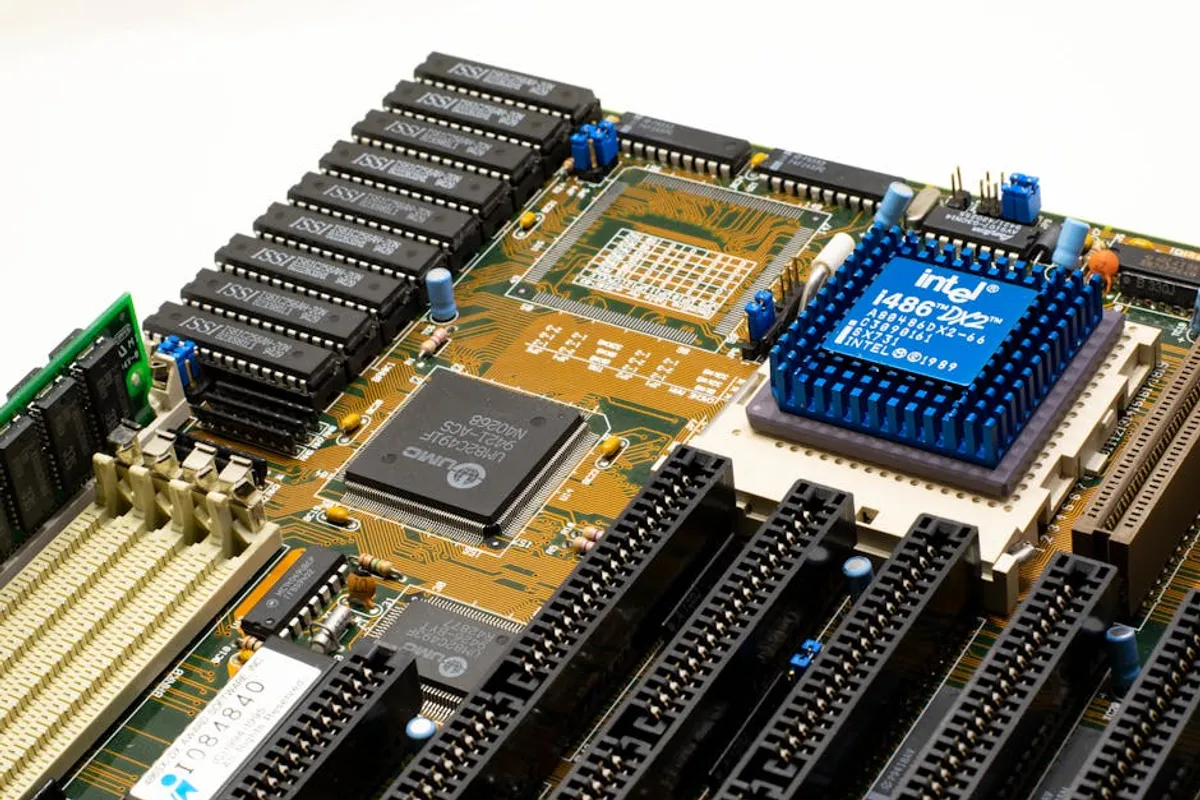
Evaluating Intel stock requires a detailed examination of both its internal strategic initiatives and the broader macroeconomic and industry-specific forces at play. For investors and market observers, understanding the factors that move Intel's market valuation goes beyond simple quarterly earnings reports, delving into long-term technological roadmaps, capital-intensive manufacturing shifts, and global supply chain dynamics. This analysis provides a framework for assessing Intel's position and potential trajectory in the highly competitive semiconductor sector.
Understanding Intel's Market Position and Business Segments
Core CPU and Data Center Dominance
Historically, Intel has held a dominant position in the x86 CPU market for both personal computers (Client Computing Group, CCG) and data centers (Data Center and AI Group, DCAI). This segment has been the primary revenue driver, characterized by high margins and a vast installed base. However, this dominance has faced increasing pressure from competitors like AMD, particularly in performance and power efficiency for server processors. Intel's ability to innovate and regain leadership in these core segments directly impacts its financial performance and investor confidence. The transition to new architectures and manufacturing processes is critical for maintaining competitiveness.
Foundry Services and Diversification Efforts
Intel's Integrated Device Manufacturing (IDM) 2.0 strategy marks a significant pivot, aiming to re-establish manufacturing leadership and offer foundry services to external customers. This involves substantial capital expenditure to build and upgrade fabrication plants (fabs) globally, including in the US and Europe. The success of Intel Foundry Services (IFS) is crucial for diversifying revenue streams and reducing reliance on its own product lines. Investors monitor progress in securing major foundry customers and achieving manufacturing milestones, as this strategy represents a long-term play with significant upfront costs and execution risks.
Competitive Landscape
The semiconductor industry is intensely competitive. Intel faces direct competition from AMD in CPUs, Nvidia in GPUs and AI accelerators, and a growing number of ARM-based solutions from companies like Qualcomm and Apple. Each competitor challenges Intel across different segments, from consumer laptops to high-performance computing and edge AI. Intel's market share, pricing power, and future growth prospects are intrinsically linked to its ability to outperform or effectively differentiate against these rivals through technological innovation and market execution.
Macroeconomic and Industry-Specific Headwinds
Global Semiconductor Cycle
The semiconductor industry is inherently cyclical, characterized by periods of high demand and oversupply. Factors like global economic growth, consumer spending on electronics, and enterprise IT investment directly influence this cycle. Downturns can lead to reduced chip orders, inventory adjustments, and pricing pressure, impacting Intel's revenue and profitability. Investors need to consider where the industry is in its current cycle when evaluating Intel's short-to-medium term outlook.
Geopolitical Tensions and Supply Chain Resilience
Geopolitical events, particularly those involving major manufacturing hubs or critical raw materials, can significantly disrupt Intel's global supply chain. Trade policies, export controls, and regional conflicts can impact component availability, manufacturing costs, and market access. Intel's strategy to diversify its manufacturing footprint, notably through its IDM 2.0 initiative, is partly a response to these geopolitical risks, aiming to build more resilient and geographically dispersed supply chains.
Interest Rates and Economic Growth
Broader macroeconomic conditions, including interest rate changes and overall economic growth, influence investor sentiment and technology sector valuations. Higher interest rates can make future earnings less attractive, impacting growth stock valuations. A slowdown in global economic growth often translates to reduced corporate IT spending and consumer electronics purchases, directly affecting Intel's sales volumes and revenue projections.
Key Financial and Operational Metrics to Monitor
Revenue Growth and Profit Margins
Beyond headline revenue, investors dissect growth rates across Intel's various segments (CCG, DCAI, Mobileye, IFS). Sustained growth in high-margin segments indicates strong product demand and competitive advantage. Profit margins, particularly gross margin, are critical indicators of manufacturing efficiency and pricing power. Declining margins can signal increased competition, higher production costs, or a less favorable product mix.
Research & Development (R&D) Spending
In the semiconductor industry, R&D is the lifeblood of innovation. Intel's R&D expenditure as a percentage of revenue indicates its commitment to future product development, process technology advancements, and maintaining a competitive edge. A consistent and strategically allocated R&D budget is essential for long-term growth, especially as the company navigates complex technological transitions like advanced packaging and AI integration.
Capital Expenditure (CapEx) and Free Cash Flow
Intel's IDM 2.0 strategy requires substantial capital expenditure for fab construction and equipment. While necessary for future growth, high CapEx can temporarily reduce free cash flow. Investors monitor the balance between investment for future capacity and maintaining healthy cash flow generation. Positive free cash flow indicates the company's ability to fund operations, pay dividends, and reduce debt without external financing.
Key financial ratios to track include:
- Price-to-Earnings (P/E) Ratio: Compares share price to earnings per share, indicating market valuation relative to profitability.
- Debt-to-Equity Ratio: Measures financial leverage, showing the proportion of debt used to finance assets relative to shareholder equity.
- Return on Invested Capital (ROIC): Assesses the efficiency with which Intel uses its invested capital to generate profits.
- Inventory Turnover: Indicates how quickly Intel sells its inventory, reflecting demand and supply chain efficiency.
Pro Tip: Investors often overemphasize short-term news cycles. For Intel, a company undergoing significant strategic transformation, a long-term perspective on its IDM 2.0 execution and process technology advancements offers a more reliable framework than daily fluctuations. Focus on the progression of manufacturing nodes and foundry customer acquisition.
Technological Innovation and Product Roadmap
Process Technology Leadership
Regaining leadership in process technology (e.g., Intel 18A, 20A) is central to Intel's turnaround strategy. Delays or failures in achieving manufacturing milestones directly impact product competitiveness, cost structures, and the ability to attract foundry customers. The performance, power efficiency, and cost-effectiveness of Intel's chips are directly tied to the success of its process technology development.
AI Integration and Accelerator Market
The rapidly expanding AI market presents both opportunities and challenges. Intel's strategy involves developing dedicated AI accelerators (e.g., Gaudi for training, Habana for inference) and integrating AI capabilities directly into its CPUs and GPUs. Its ability to compete effectively against specialized AI chip developers and provide a compelling ecosystem for AI workloads will be a significant growth driver.
Software and Ecosystem Development
Hardware innovation must be complemented by robust software and ecosystem support. Intel's efforts in developing software tools, libraries, and developer programs (e.g., OpenVINO, oneAPI) are crucial for ensuring its hardware platforms are easy to use and optimize for diverse applications. A strong software ecosystem can lock in customers and provide a competitive advantage beyond raw hardware specifications.
Navigating Intel's Future Outlook
Intel's market trajectory is a complex interplay of internal execution and external market forces. Its success hinges on the timely and efficient execution of its IDM 2.0 strategy, particularly in achieving process technology leadership and scaling its foundry services. Simultaneously, the company must navigate the cyclical nature of the semiconductor industry, adapt to geopolitical shifts, and innovate aggressively in emerging areas like AI. Investors and market watchers should prioritize tracking Intel's progress against its stated manufacturing goals, its ability to win new foundry clients, and its performance in key product segments relative to its primary competitors. A balanced view, considering both the significant investments being made and the potential long-term returns, is essential for forming an informed perspective on Intel's stock.
Frequently Asked Questions
What is Intel's IDM 2.0 strategy?
IDM 2.0 is Intel's strategy to re-establish manufacturing leadership by building internal fabs, expanding its capacity, and offering foundry services to external customers, aiming for a more balanced and resilient supply chain.
How do global semiconductor cycles affect Intel?
Global semiconductor cycles, driven by economic growth and demand for electronics, directly impact Intel's revenue and profitability. Downturns can lead to reduced chip orders and pricing pressure, while upturns boost sales.
What are Intel's main competitive challenges?
Intel faces intense competition from AMD in CPUs, Nvidia in GPUs and AI accelerators, and various ARM-based solutions across different market segments, requiring continuous innovation to maintain market share.
What metrics are important for evaluating Intel stock?
Key metrics include revenue growth across segments, gross profit margins, R&D expenditure, capital expenditure, free cash flow, and progress in process technology milestones like Intel 18A.



