
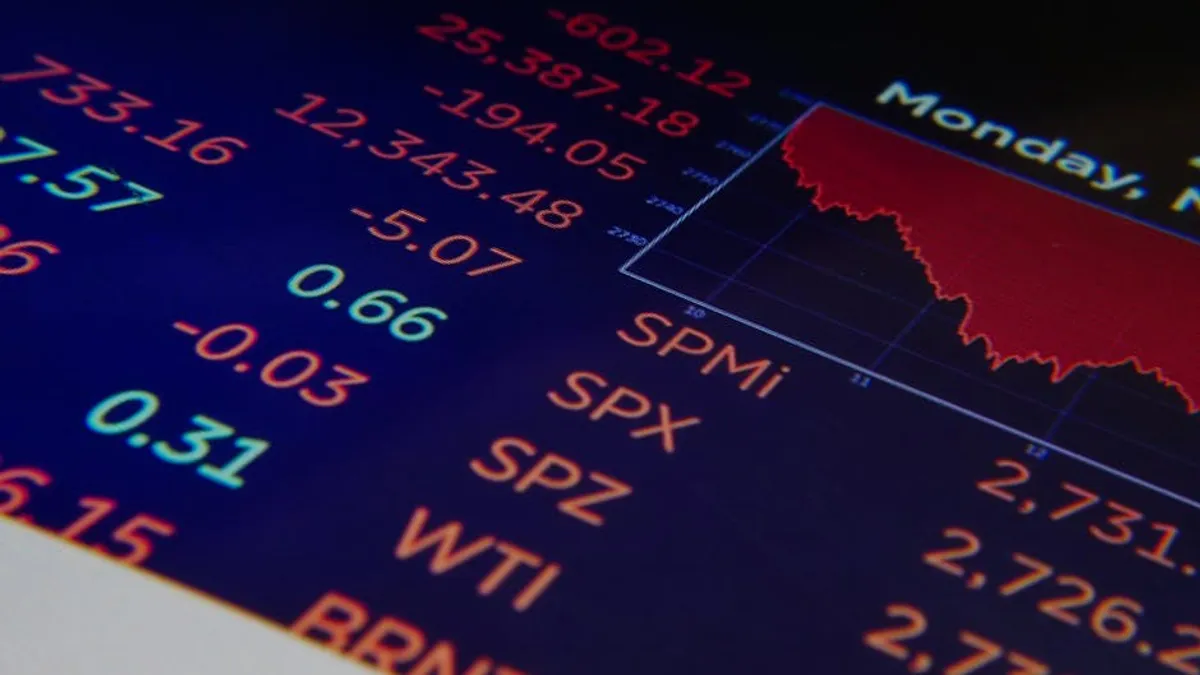
For investors tracking the Dow Jones Industrial Average (DJIA), the period before the market opens is critical. This window, typically from 4:00 AM to 9:30 AM ET, allows for a comprehensive assessment of factors that will influence trading activity. Pre-market analysis is not about predicting exact price movements, but rather about understanding the catalysts that can drive opening sentiment and subsequent intraday trends. Identifying these variables allows for more informed decision-making, mitigating reactive trading and positioning portfolios strategically.
Key Economic Data Releases
Economic reports scheduled for release before or shortly after the market open often dictate the day's initial direction. These announcements provide fresh insights into the health of the economy, directly impacting investor confidence and corporate outlooks.
- Inflation Reports: Consumer Price Index (CPI) and Producer Price Index (PPI) data reveal inflationary pressures. Higher-than-expected inflation can signal potential interest rate hikes, negatively affecting growth stocks and increasing borrowing costs for companies.
- Employment Figures: Jobless claims, non-farm payrolls, and unemployment rates offer a snapshot of the labor market. Strong employment data can indicate economic expansion, while weak numbers might suggest a slowdown, influencing consumer spending and corporate profits.
- Manufacturing and Services PMIs: Purchasing Managers' Index (PMI) data for manufacturing and services sectors reflect business activity and sentiment. A reading above 50 generally indicates expansion, while below 50 suggests contraction. These figures are leading indicators for economic growth.
- Retail Sales: Monthly retail sales data illustrate consumer spending patterns, a significant driver of economic activity. Strong sales figures can boost cyclical stocks within the Dow, while weak numbers might signal consumer caution.
Corporate Announcements and Earnings Reports
Individual company news, particularly from Dow components, can exert significant influence. Pre-market earnings releases, M&A announcements, or significant operational updates often cause immediate price swings in affected stocks, which can then ripple through the broader index.
Impact Focus: Pay close attention to earnings per share (EPS) and revenue figures against analyst consensus. Forward guidance from management regarding future performance, capital expenditures, and dividend policies carries substantial weight. Unexpected news from a heavily weighted Dow component can shift index futures before the open, indicating a likely opening gap.
Federal Reserve and Interest Rate Outlook
Statements or speeches from Federal Reserve officials, particularly the Chair, can move markets even if no formal policy meeting is scheduled. Their commentary often provides clues about future monetary policy, including potential interest rate adjustments or quantitative easing/tightening measures.
Key for: Sectors sensitive to borrowing costs, such as financials and industrials, are particularly responsive to changes in interest rate expectations. A hawkish tone (indicating higher rates) can dampen equity valuations, while a dovish stance (suggesting lower rates or accommodative policy) can provide support.
Pro Tip: Monitor the bond market, specifically the yield on the 10-year Treasury note, as a real-time indicator of interest rate expectations. A sharp rise in yields before the open can signal investor concerns about inflation or impending rate hikes, often preceding a weaker equity open.
Global Market Influences
The performance of major international markets, particularly in Asia and Europe, often provides a directional bias for U.S. trading. Significant moves in these markets, whether positive or negative, can create momentum or headwinds for the Dow Jones.
Consider: Overnight trading in Asian markets (e.g., Nikkei 225, Shanghai Composite) and early European trading (e.g., FTSE 100, DAX) can reflect reactions to global economic news, commodity price shifts, or geopolitical events that occurred outside U.S. trading hours. These movements often set the initial tone for U.S. futures.
Commodity Price Trends
Fluctuations in key commodity prices, especially crude oil and industrial metals, can impact Dow components. Energy companies are directly affected by oil prices, while manufacturers and material companies are sensitive to metal costs.
Direct Effect: A significant jump in oil prices, for instance, can boost energy stocks within the Dow but might simultaneously raise concerns about input costs for other industries and potential consumer spending impacts. Conversely, a sharp decline could benefit airlines and transportation companies.
Technical Levels and Market Sentiment
Analyzing pre-market futures charts for the Dow Jones can reveal key support and resistance levels. These technical benchmarks, combined with broader market sentiment indicators, provide context for potential opening moves.
Observation: Look for futures trading above or below significant moving averages or previous closing levels. High volatility in futures trading before the open, especially on low volume, can indicate uncertainty. Sentiment gauges, such as the CBOE Volatility Index (VIX) futures, can also offer insights into anticipated market nervousness.
Actionable Steps Before the Open
A structured approach to pre-market analysis can enhance decision-making and reduce impulsive reactions once trading begins.
Review Economic Calendar: Identify all scheduled data releases and speeches before 9:30 AM ET. Understand their potential impact.
Scan News Wires: Look for breaking news related to Dow components, sector-specific developments, or major geopolitical shifts.
Check Futures Performance: Observe the direction and magnitude of Dow futures movements. Compare them to overnight trading in international markets.
Assess Key Levels: Note important support and resistance levels for the Dow futures to anticipate potential reactions at the open.
Evaluate Portfolio Exposure: Consider how current holdings might react to the day's expected catalysts and adjust a watch list accordingly.
Investor FAQs
What is "pre-market trading" for the Dow Jones?
Pre-market trading refers to the period before the official 9:30 AM ET opening of the U.S. stock market, typically starting at 4:00 AM ET. During this time, investors can place orders to buy or sell stocks, and these trades are executed through electronic communication networks (ECNs) before the main exchange opens.
Why is pre-market analysis important for Dow Jones investors?
Pre-market analysis allows investors to react to overnight news, economic data releases, and corporate announcements that occur outside regular trading hours. It helps in formulating an informed strategy for the trading day, identifying potential opening gaps, and understanding the initial sentiment that might drive the Dow Jones's performance.
How does global market performance affect the Dow Jones pre-market?
Performance in major Asian and European markets, which trade before or during the U.S. pre-market session, often sets a directional tone. Significant gains or losses in these markets, driven by global economic news or geopolitical events, can influence U.S. stock index futures and indicate how the Dow Jones might open.
Can I trade Dow Jones stocks during pre-market hours?
Yes, individual stocks that are components of the Dow Jones Industrial Average can be traded during pre-market hours through brokerage platforms that offer extended-hours trading. However, pre-market trading typically involves lower liquidity and higher volatility compared to regular trading hours, which can lead to wider bid-ask spreads and potentially larger price swings.



