
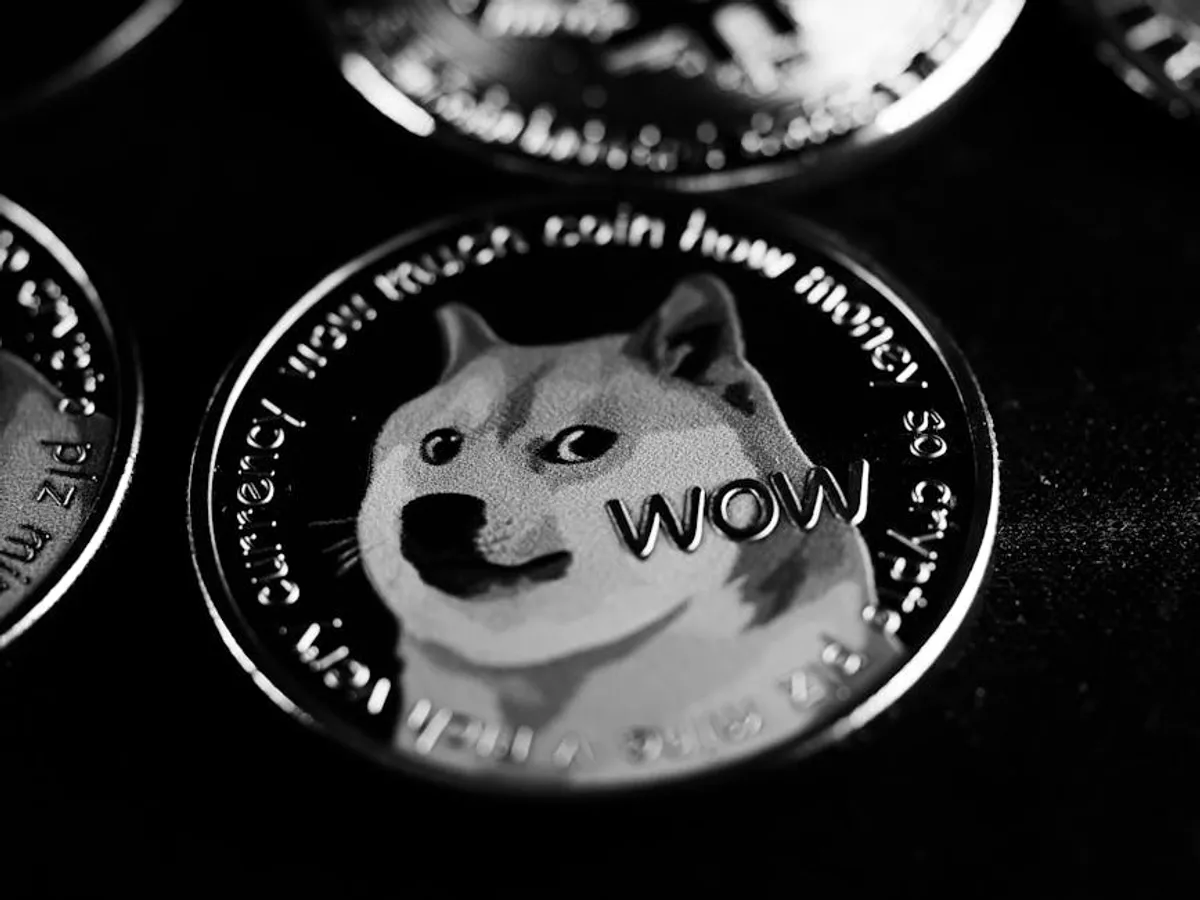
Dogecoin occupies a distinct position within the cryptocurrency landscape, often characterized by its high volatility and strong community-driven sentiment. For investors monitoring Dogecoin today, understanding its unique market dynamics is critical. Unlike cryptocurrencies primarily valued for their technological utility or foundational protocols, Dogecoin’s price movements frequently respond to social media trends, public endorsements, and broader speculative appetite rather than fundamental development milestones. Navigating this environment requires a specific analytical approach, prioritizing real-time sentiment, technical indicators, and an awareness of macroeconomic shifts that influence risk assets.
Current Market Dynamics and Sentiment Indicators
Dogecoin's valuation is heavily influenced by factors beyond traditional financial metrics. Investors must track specific catalysts that historically drive its price action.
- Social Media and Community Engagement: Key figures, particularly Elon Musk, have demonstrated the capacity to significantly impact Dogecoin's price through public statements or even single tweets. Monitoring platforms like X (formerly Twitter), Reddit, and Telegram for trending topics, influencer activity, and overall community sentiment provides an immediate gauge of potential upward or downward pressure. High engagement often correlates with increased trading volume and price volatility.
- Broader Cryptocurrency Market Correlation: Dogecoin, while unique, does not exist in isolation. Its price often correlates with the movements of larger cryptocurrencies, especially Bitcoin. A significant rally or correction in Bitcoin typically sets the tone for the altcoin market, including Dogecoin. Investors should observe Bitcoin's price action as a leading indicator for overall market health and risk appetite.
- News and Narrative Impact: Specific events, such as new listings on major exchanges, integration into payment systems, or even humorous cultural moments, can generate significant speculative interest. The narrative surrounding Dogecoin – whether it's perceived as a viable payment method or purely a speculative asset – directly affects investor behavior.
Technical Analysis: Charting Key Levels
Despite its sentiment-driven nature, technical analysis remains a valuable tool for identifying potential entry and exit points and managing risk.
Support and Resistance Zones
Identifying historical price levels where buying interest (support) or selling pressure (resistance) has been strong can offer insights. For Dogecoin, these levels often represent psychological barriers. When price approaches a strong support level, investors might anticipate a bounce, while a resistance level might signal a potential reversal or a consolidation phase. Breaking through established resistance, especially on high volume, can indicate a continuation of an upward trend.
Volume Analysis
Trading volume provides context to price movements. A significant price increase on low volume may indicate a lack of conviction, making the rally unsustainable. Conversely, a price surge accompanied by high volume suggests strong buying interest and a more robust trend. Similarly, a price drop on high volume signals strong selling pressure. Monitoring volume spikes can help differentiate genuine market moves from transient fluctuations.
Moving Averages
Commonly used moving averages, such as the 50-day and 200-day simple moving averages (SMAs), help identify trends. When Dogecoin's price is consistently above its 50-day SMA, it suggests a short-term bullish trend. If the 50-day SMA crosses above the 200-day SMA (a "golden cross"), it's often interpreted as a long-term bullish signal. Conversely, a "death cross" (50-day SMA crossing below 200-day SMA) indicates potential long-term bearishness. These indicators provide a smoothed view of price action, helping to filter out daily noise.
Relative Strength Index (RSI)
The RSI is a momentum oscillator that measures the speed and change of price movements. It ranges from 0 to 100. Readings above 70 typically indicate an asset is overbought, suggesting a potential pullback. Readings below 30 suggest an asset is oversold, potentially signaling a bounce. For Dogecoin, given its volatility, RSI can frequently enter these extreme zones, offering short-term trading signals for those actively monitoring the market.
On-Chain Data: Understanding Underlying Activity
Beyond price charts, on-chain metrics provide insights into the fundamental activity occurring on the Dogecoin blockchain.
- Active Addresses and Transaction Counts: A rising number of active addresses or an increase in daily transaction counts indicates growing network usage and adoption. This suggests more participants are interacting with the Dogecoin network, which can be a bullish sign for long-term health. Conversely, declining activity may signal waning interest.
- Whale Movements: "Whales" are large holders of Dogecoin. Tracking significant transfers to or from exchanges by these entities can provide clues about potential market shifts. Large inflows to exchanges might indicate an intent to sell, increasing supply and potentially pressuring prices down. Outflows, however, could signal accumulation or a move to cold storage, reducing immediate selling pressure.
- Exchange Flows: Monitoring the net flow of Dogecoin onto or off exchanges provides a supply-side perspective. Consistent net inflows suggest increased supply available for sale, while net outflows indicate that investors are moving Dogecoin off exchanges, often into personal wallets for long-term holding, reducing immediate selling pressure.
Macroeconomic and Regulatory Environment
Dogecoin's performance is not isolated from the broader global financial landscape.
Global Economic Factors
Inflation rates, interest rate decisions by central banks, and overall economic sentiment significantly influence investor appetite for risk assets, including cryptocurrencies. During periods of high inflation or rising interest rates, investors may de-risk portfolios, shifting away from volatile assets like Dogecoin. Conversely, accommodative monetary policies can fuel speculative rallies. Observing global economic indicators and central bank communications is crucial.
Evolving Crypto Regulations
The regulatory landscape for cryptocurrencies is still developing globally. New regulations, particularly those concerning stablecoins, exchanges, or even the classification of certain digital assets, could impact Dogecoin. Clarity or restrictions could affect its liquidity, accessibility, and perceived legitimacy, influencing investor confidence and market behavior.
Pro Tip for Dogecoin Investors: Always approach Dogecoin with a clear understanding of its highly speculative nature. Its price is often driven by sentiment and social momentum, making it susceptible to rapid, unpredictable swings. Never invest more than you are prepared to lose, and prioritize robust risk management strategies, including position sizing and setting stop-loss orders, to mitigate potential downside.
Strategic Considerations for Dogecoin Investors
For those actively monitoring Dogecoin, a disciplined and informed approach is essential. Focus on synthesizing information from social sentiment, technical charts, and on-chain data to form a holistic view. Prioritize data-driven decisions over emotional responses to hype or fear. Incorporating Dogecoin into a diversified portfolio, if at all, should be done with a clear allocation strategy that accounts for its high-risk profile. Continuous monitoring of market developments and a readiness to adapt to changing conditions are paramount in this dynamic asset class.
Frequently Asked Questions
What makes Dogecoin's price move most significantly?
Dogecoin's price is most significantly influenced by social media sentiment, endorsements from prominent figures, and broader speculative interest within the cryptocurrency market, often reacting more to these factors than to fundamental technological developments.
How does Dogecoin's risk profile compare to Bitcoin or Ethereum?
Dogecoin generally carries a higher risk profile than Bitcoin or Ethereum due to its greater volatility, less established utility, and stronger reliance on speculative sentiment, making it prone to more extreme price swings.
Are there any fundamental developments for Dogecoin to watch?
While Dogecoin's primary driver isn't fundamental development, investors might watch for integrations into major payment systems, new partnerships that enhance its utility, or significant protocol upgrades that improve its efficiency or security, though these are less frequent than for other cryptocurrencies.
What is a common mistake Dogecoin investors make?
A common mistake Dogecoin investors make is succumbing to "fear of missing out" (FOMO) during price surges, leading to purchases at inflated prices without adequate risk assessment, often resulting in losses during subsequent corrections.



