
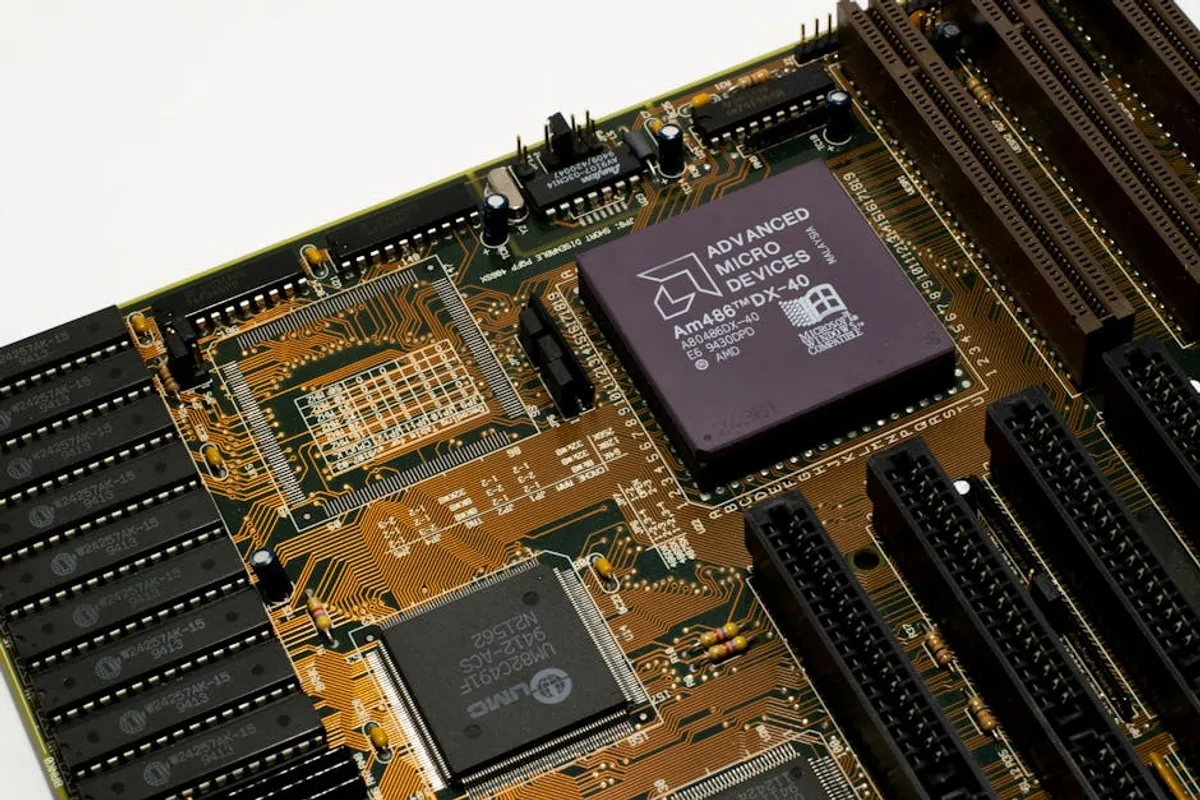
For investors tracking Advanced Micro Devices (AMD) stock, the current landscape presents a blend of significant opportunities and inherent market volatility. The semiconductor industry, particularly in computing and artificial intelligence, is experiencing rapid shifts, directly impacting AMD's trajectory. Understanding the specific drivers and potential headwinds is crucial for any informed investment decision today, moving beyond general market sentiment to focus on concrete operational and financial indicators.
Key Catalysts Driving AMD's Performance
Data Center and AI Chip Dominance
AMD's strategic focus on the data center market, particularly with its Instinct MI300X series, represents a primary growth vector. This product line directly challenges NVIDIA's established lead in AI accelerators, targeting the burgeoning demand for high-performance computing in generative AI and large language models. Investors should monitor MI300X adoption rates, particularly with hyperscale cloud providers and enterprise clients, as these design wins translate directly into revenue growth and market share expansion. The company's ability to scale production and secure supply chain capacity for these advanced chips will dictate its near-term competitive standing and financial performance.
Client Segment Recovery and Innovation
The client computing segment, encompassing desktop and notebook processors, has experienced a cyclical downturn. However, signs of recovery, driven by enterprise refresh cycles and consumer demand for new form factors, present a tailwind for AMD. The company's Ryzen processors continue to gain traction against Intel, particularly in performance-per-watt metrics and integrated graphics capabilities. Watch for new product launches, such as next-generation Ryzen CPUs and Radeon GPUs, and their reception in the market. Inventory levels across the supply chain, average selling prices (ASPs), and market share reports from industry analysts will provide insight into the segment's health and AMD's competitive positioning.
Gaming Console and Embedded Growth
AMD's custom silicon business, primarily powering current-generation gaming consoles from Sony and Microsoft, provides a stable, albeit cyclical, revenue stream. While the console cycle matures, the embedded segment offers diversified growth opportunities in industrial, automotive, and networking applications. Demand for these custom solutions is less susceptible to immediate consumer spending fluctuations, offering a degree of revenue predictability. Investors should track any announcements regarding next-generation console development or significant design wins in the broader embedded market, as these indicate future revenue stability and expansion beyond core PC and data center markets.
Macroeconomic Headwinds and Tailwinds
Interest Rates and Inflation
Higher interest rates generally impact technology companies by increasing borrowing costs and potentially dampening corporate IT spending. Inflation can also erode consumer purchasing power, affecting demand for PCs and gaming hardware. Investors should observe central bank policies and inflation data, as these directly influence the broader economic environment in which AMD operates. A sustained period of high rates or persistent inflation could pressure enterprise budgets and consumer discretionary spending, impacting AMD's sales volumes and profitability.
Geopolitical Factors and Supply Chains
The semiconductor industry relies on a global, interconnected supply chain, making it vulnerable to geopolitical tensions, particularly those involving Taiwan, a critical hub for advanced chip manufacturing. Export controls, trade disputes, and regional conflicts can disrupt production, increase costs, and limit market access. Monitoring geopolitical developments and their potential impact on chip fabrication, assembly, and testing is essential. AMD's ability to diversify its supply chain, secure long-term manufacturing agreements, and navigate international trade policies will be key to mitigating these risks.
Pro Tip: Beyond headline figures, scrutinize AMD's gross margin trends. Sustained pressure on gross margins, even with rising revenue, can signal increased competition, pricing power erosion, or higher production costs, directly impacting profitability and investor returns.
Financial Metrics and Valuation Considerations
Revenue Growth and Profitability
While top-line revenue growth is a primary indicator, investors must delve into the composition of that growth. Differentiating between growth driven by high-margin products (like data center GPUs) versus lower-margin segments (such as older CPUs) provides a clearer picture of profitability potential. Operating expenses, including research and development (R&D) and selling, general, and administrative (SG&A) costs, should be monitored for efficiency and scalability. Consistent R&D investment is critical for AMD to maintain its competitive edge and innovate, but uncontrolled SG&A can erode profits. Net income and earnings per share (EPS) are ultimate measures of profitability, but understanding the underlying drivers is paramount.
Free Cash Flow and Shareholder Returns
Free cash flow (FCF) indicates a company's ability to generate cash after accounting for capital expenditures. Positive and growing FCF provides flexibility for debt reduction, strategic acquisitions, and shareholder returns. While AMD does not currently pay a dividend, share repurchase programs can signal management's confidence in the company's valuation and provide a mechanism for returning capital to shareholders. Track FCF trends and any announced buyback authorizations, as these reflect financial health and capital allocation priorities.
Valuation Multiples
Assessing AMD's valuation requires comparing its price-to-earnings (P/E), price-to-sales (P/S), and enterprise value-to-EBITDA (EV/EBITDA) multiples against industry peers like NVIDIA and Intel, as well as the broader semiconductor sector. These multiples provide context for whether the stock is trading at a premium or discount relative to its growth prospects and industry averages. High growth expectations often justify higher multiples, but a significant disconnect can indicate overvaluation or undervaluation. Consider forward-looking multiples based on analyst consensus estimates for a more dynamic view.
Actionable Investor Checklist
To navigate AMD stock effectively, investors should consistently monitor these specific areas:
- AI Accelerator Shipments: Track MI300X volume and design wins with major data center clients.
- Client Segment Demand: Observe PC market recovery indicators, inventory levels, and AMD's market share against competitors.
- Gross Margin Performance: Analyze quarterly gross margins for any signs of pricing pressure or cost fluctuations.
- R&D Investment: Ensure continued, strategic investment in future technologies and product roadmaps.
- Supply Chain Resilience: Evaluate AMD's ability to secure manufacturing capacity and mitigate geopolitical risks.
- Analyst Revisions: Pay attention to changes in analyst price targets and earnings estimates, as these reflect evolving market sentiment.
- Macroeconomic Indicators: Keep an eye on interest rate forecasts, inflation reports, and global economic growth projections.
Frequently Asked Questions
What is AMD's primary growth driver currently?
AMD's primary growth driver is its data center segment, specifically its Instinct MI300X AI accelerators, which are gaining traction in the high-performance computing and artificial intelligence markets.
How does AMD compete with NVIDIA in AI?
AMD competes with NVIDIA by offering its MI300X series, designed for generative AI and large language models, aiming to provide a compelling alternative to NVIDIA's dominant H100 GPUs in terms of performance and cost-efficiency for specific workloads.
What risks should AMD investors be aware of?
Key risks include intense competition in the semiconductor market, potential disruptions in the global supply chain, sensitivity to macroeconomic downturns affecting consumer and enterprise spending, and the high capital expenditure required for advanced chip development.
Does AMD pay a dividend?
No, AMD does not currently pay a dividend. The company typically reinvests its earnings into research and development and strategic growth initiatives.



